
Sprint To Stick

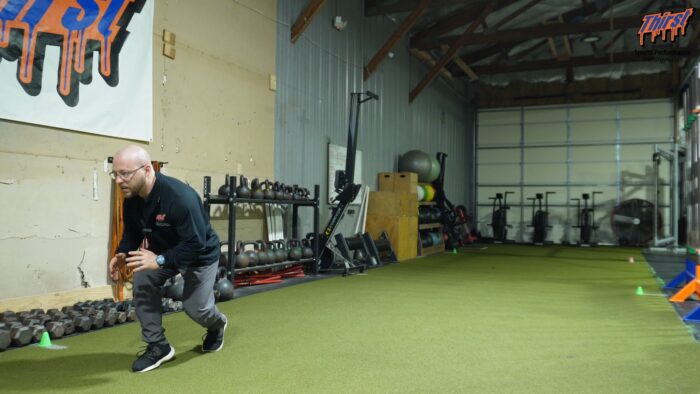
The sprint to stick exercise is a fundamental deceleration training drill that teaches athletes proper stopping mechanics, enhances change of direction ability, and reduces injury risk. This simple yet effective agility drill develops the eccentric strength and neuromuscular control necessary for superior athletic performance across all sports. Master the art of braking to improve reactive agility, defensive positioning, and explosive reacceleration in competitive environments.
Single Leg Hops (In-Place)

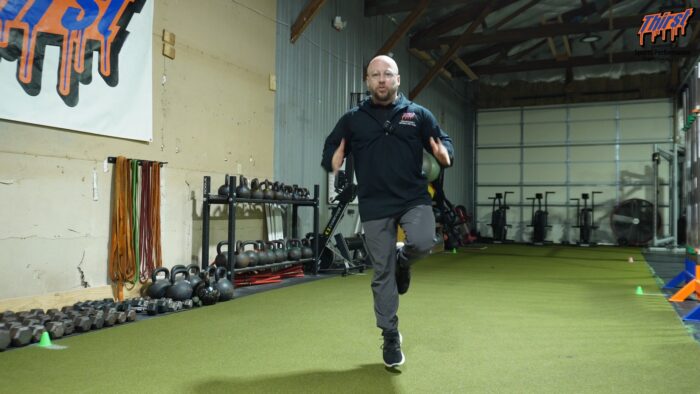
Single leg hops in place are the foundational plyometric exercise every athlete needs to master before progressing to advanced power training. This comprehensive guide breaks down the biomechanics, programming strategies, and progression principles behind this deceptively simple movement that builds ankle stability, hip control, and unilateral force production. Whether you’re coaching young athletes or incorporating dynamic warm-up drills for elite performers, learn how to properly implement single leg hops to develop tendon resilience, reactive strength, and injury-resistant movement patterns.

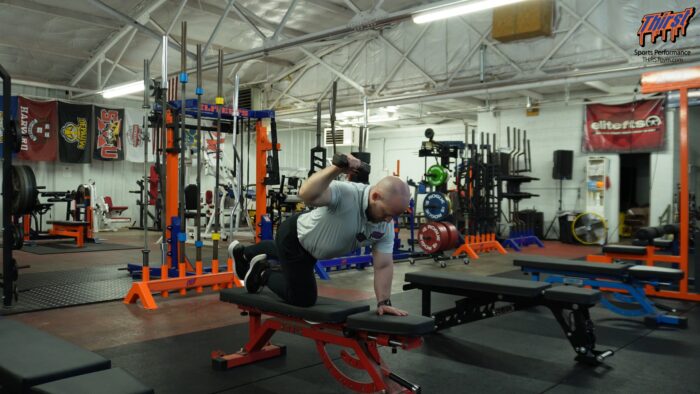
Bird Dog I, Y, T, W Complex

Discover the Bird Dog IYTW Complex, a revolutionary exercise that combines shoulder stability training with hip strengthening in one powerful movement. This functional training technique challenges your balance while targeting the posterior deltoids, scapular stabilizers, and core muscles, making it perfect for athletes in baseball, tennis, and swimming who need integrated strength and injury prevention. Learn proper form, programming guidelines, and why this corrective exercise should be your go-to choice for building real-world stability and movement quality.

Chest Supported Y Raise

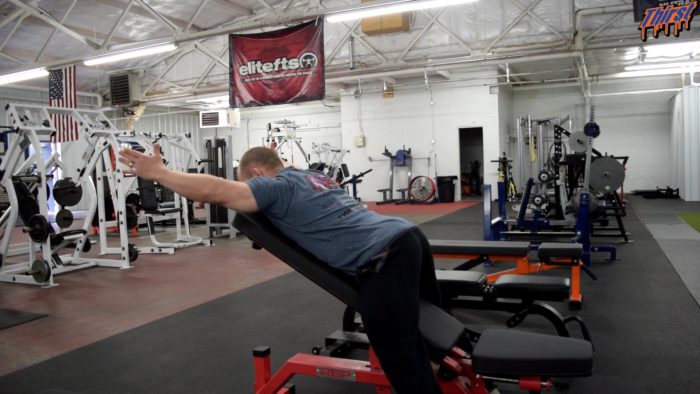
The chest supported Y-raise is a powerful upper back exercise that specifically targets the lower trapezius muscles while building essential shoulder stability and corrective postural strength. This movement serves as an excellent rehabilitation and prehabilitation exercise for desk workers suffering from forward head posture and overhead athletes needing improved scapular control. By emphasizing movement quality over heavy loads, the chest supported Y-raise effectively addresses common shoulder dysfunctions while strengthening the often-neglected lower trap muscles that are crucial for optimal shoulder blade positioning and overall upper body health.