
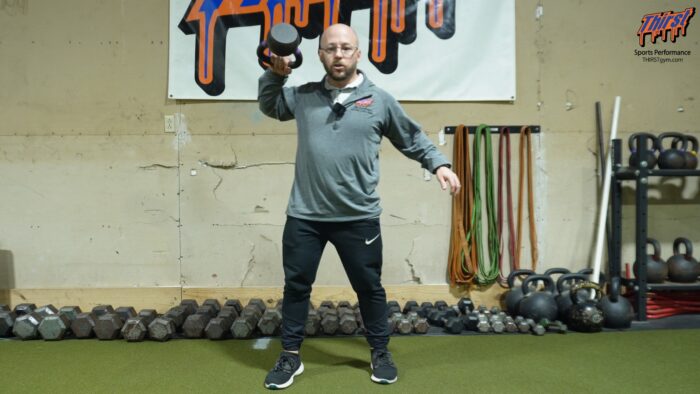
Step Back KB Swing To Row

The step back kettlebell swing to row combines explosive hip hinge mechanics with upper back pulling strength to create a dynamic full-body conditioning exercise that targets your posterior chain, grip, and cardiovascular system simultaneously. This advanced kettlebell variation is particularly valuable for combat sports athletes, wrestlers, and grapplers who need powerful hinging and pulling strength, while also serving anyone seeking time-efficient workouts that build functional strength across multiple movement patterns. Learn proper technique, programming recommendations, and how to integrate this compound kettlebell movement into your conditioning circuits for maximum training efficiency.
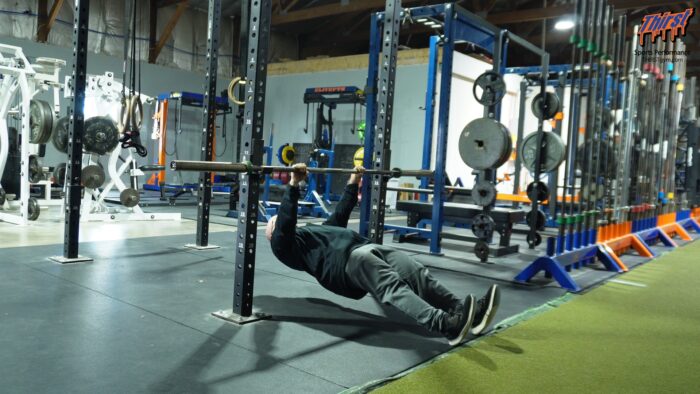
Inverted Row Reverse Plank Iso Hold

The inverted row reverse plank iso hold is a powerful posterior chain exercise that builds isometric strength in your glutes, hamstrings, and spinal erectors through sustained muscular tension. This barbell-based variation challenges your body from an inverted position, developing the postural endurance and hip stability that traditional planks cannot target. Learn proper setup, progression strategies, and programming recommendations to integrate this effective core training exercise into your strength program.

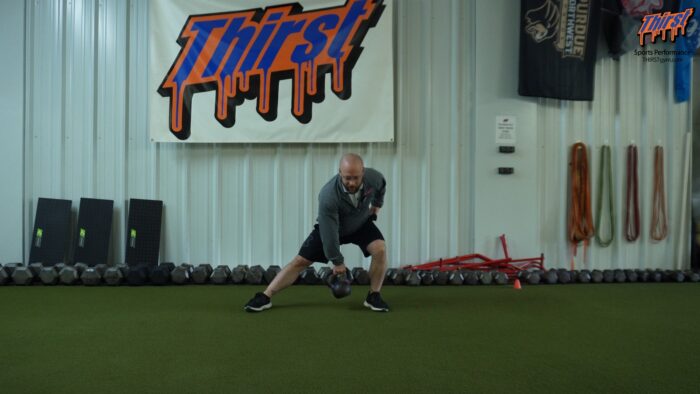
In-Place KB Lateral Lunge

The in-place kettlebell lateral lunge combines frontal plane strength training with dynamic hip mobility work, making it an essential exercise for athletes and fitness enthusiasts who want to improve lateral movement capabilities and address common hip restrictions. By using a contralateral loading pattern where the kettlebell opposes your lunge direction, this lateral lunge variation challenges your core stability while opening up your hips in ways that traditional forward-and-backward movements simply cannot match. Whether you’re looking to enhance sports performance, correct movement limitations, or build functional lower body strength, this single-kettlebell exercise delivers results that translate directly to better side-to-side movement quality.

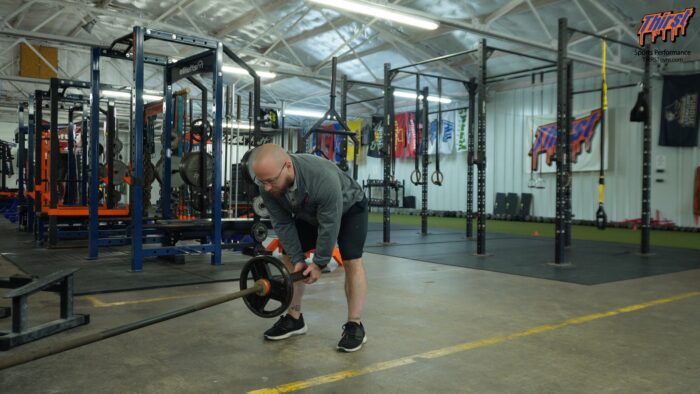
Landmine RDL

The landmine RDL is a highly effective Romanian deadlift variation that uses an angled barbell path to build serious posterior chain strength while teaching proper hip hinge mechanics. This versatile exercise works exceptionally well for beginners learning to hinge correctly thanks to built-in movement constraints, yet remains challenging enough for advanced lifters to load heavily and target their glutes and hamstrings as a key accessory movement. Whether you’re new to strength training or looking for fresh deadlift alternatives to enhance your lower body development, the landmine RDL delivers results with minimal equipment and a more natural movement pattern than traditional barbell variations.

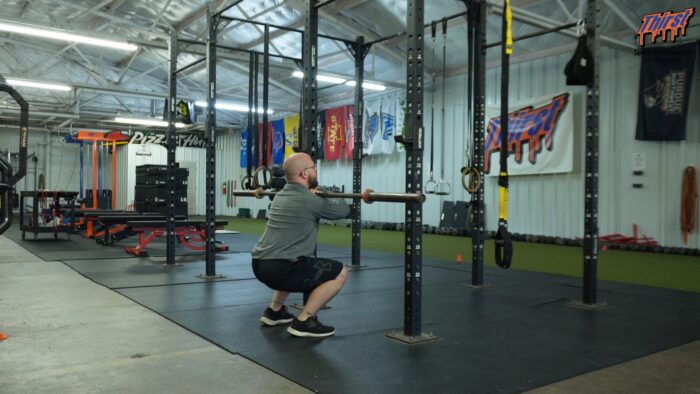
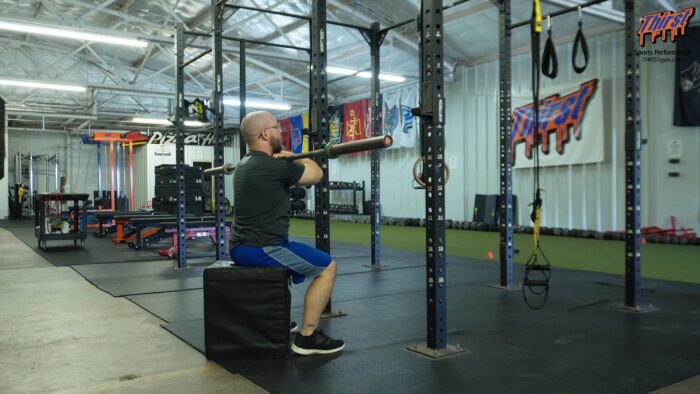
Front Rack Pause Squat

The front rack pause squat builds exceptional strength and control in the bottom position of your squat while improving mobility and reinforcing proper mechanics. This powerful barbell accessory exercise combines anterior loading with deliberate pause work to develop the positional strength, core stability, and upper back tension that translates directly to bigger front squats, back squats, and Olympic lifts. Learn proper setup, execution techniques, and programming strategies to integrate this squat variation into your strength training routine for maximum results.

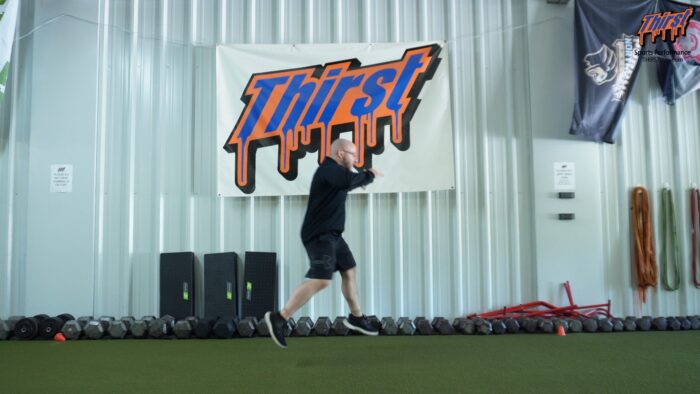
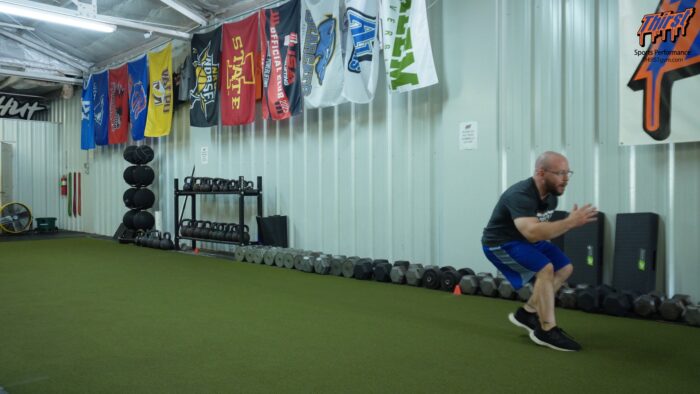
Alternating Lateral Broad Jumps

The alternating lateral broad jump is a dynamic plyometric exercise that combines lateral bounds with forward propulsion to develop explosive multi-directional power and change of direction ability. This advanced single-leg jumping drill builds hip stability, reactive strength, and cutting performance for basketball players, soccer athletes, and anyone looking to improve their agility and lateral power. Learn proper technique, progression strategies, and programming recommendations to safely incorporate this effective plyometric movement into your athletic training routine.

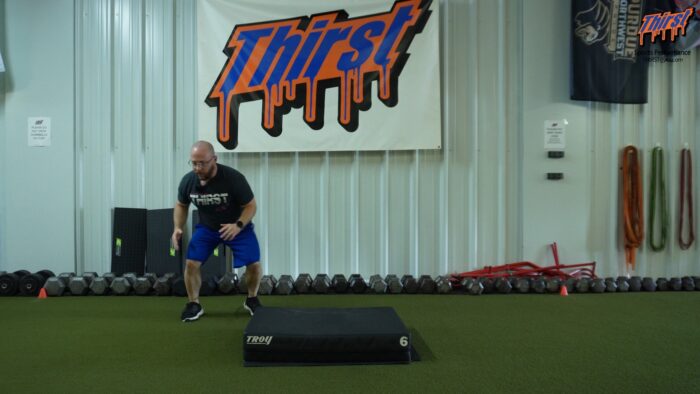
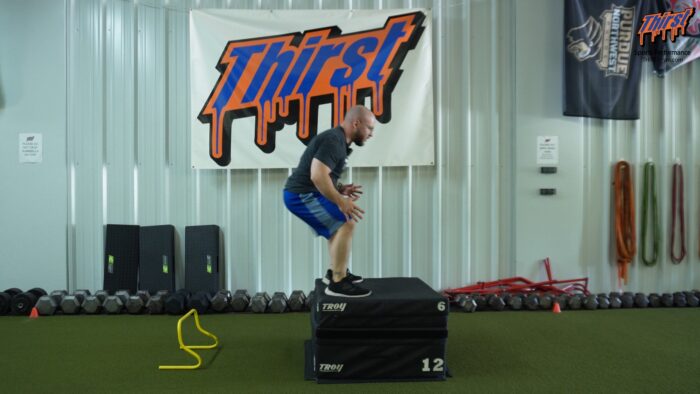
Low Box Hop To Lateral Push Out

Master the low box hop to lateral pushout to develop explosive lateral movement and rapid direction changes that translate directly to game performance. This dynamic agility drill combines plyometric training with lateral power development, teaching athletes the redirection mechanics needed for defensive footwork, cutting patterns, and court coverage. Learn proper technique, programming guidelines, and why this drill outperforms standard box jumps for building functional athleticism in basketball, soccer, tennis, and other lateral movement sports.

Front Rack Box Squat

Master the front rack box squat to build exceptional lower body strength while perfecting your front squat technique. This powerful anterior loaded variation helps you control squat depth, fix forward lean issues, and develop the upright torso positioning that translates to better squatting patterns across the board. Whether you’re teaching youth athletes their first barbell movements or breaking through strength plateaus, this box squat progression delivers results for lifters at every level.Retry

Sprint To Back Pedal

Master the sprint to backpedal drill to develop explosive deceleration mechanics and multi-directional speed that translates directly to game performance. This comprehensive agility training exercise teaches athletes how to stop efficiently, maintain an athletic stance during backward movement, and stay ready for rapid direction changes that separate elite competitors from average players. Learn the proper technique for acceleration, controlled stopping, and backpedaling mechanics that will transform your change of direction ability and overall athletic movement quality.

Hurdle Hop To Box Jump To Depth Drop

The hurdle hop to box jump to depth drop combines three powerful plyometric exercises into one explosive drill that develops vertical jump height, improves landing mechanics, and builds the kind of athletic springiness that translates directly to better performance in any sport. This advanced plyometric training method works by challenging your stretch-shortening cycle, developing tendon resiliency, and training your nervous system to handle higher impact forces than you’d encounter in competition. Learn how to properly execute this combination exercise, understand the science behind why it works, and discover how to program it effectively to see measurable improvements in your explosive power and jumping ability.