
Alternating DB Lateral Raise

The alternating dumbbell lateral raise builds powerful lateral deltoids while challenging core stability through unilateral shoulder training. This lateral raise variation allows you to use heavier weights for maximum shoulder hypertrophy or extend time under tension as an intense shoulder finisher. Learn proper form, programming strategies, and how this exercise delivers unique benefits beyond standard dumbbell lateral raises for building bigger, stronger shoulders.
Half Kneeling Rack Pec Stretch

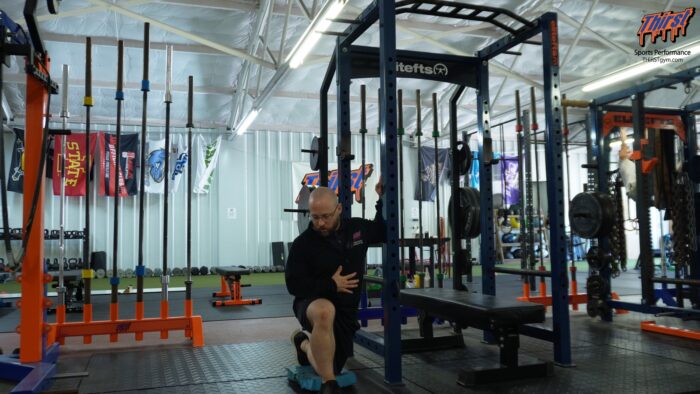
The half kneeling rack pec stretch is a powerful corrective exercise that simultaneously targets tight chest muscles, rounded shoulders, and hip flexors caused by prolonged sitting and excessive pressing movements. This comprehensive guide breaks down proper setup, breathing techniques, and programming strategies to help you address postural dysfunction and improve upper body mobility. Learn how to execute this versatile stretch using a power rack, doorframe, or wall to open your anterior chain and enhance movement quality for both athletic performance and daily life.

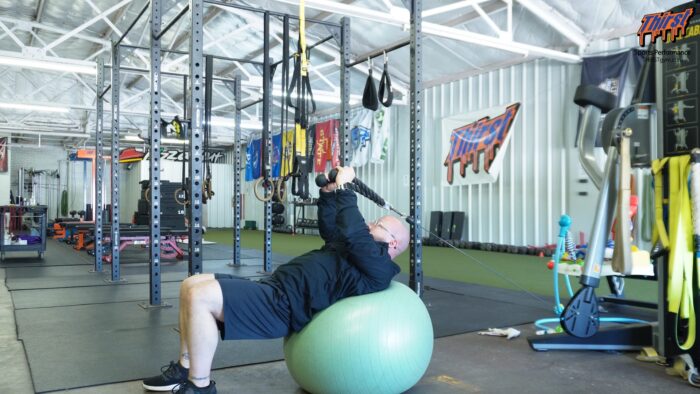
Supine Stability Ball Cable Lat Pullover

The supine stability ball cable lat pullover transforms traditional lat training into a comprehensive full-body exercise that builds back strength while simultaneously engaging your hamstrings and core for total posterior chain development. This cable machine variation provides an intense lat stretch in a supported thoracic extension position, making it an ideal accessory movement for maximizing lat hypertrophy and improving upper back mobility. Learn proper setup, execution technique, and programming strategies to incorporate this innovative stability ball exercise into your strength training routine for enhanced back development and functional core stability.

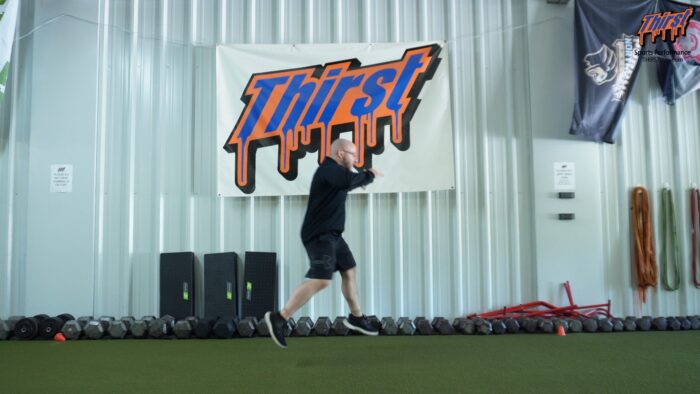
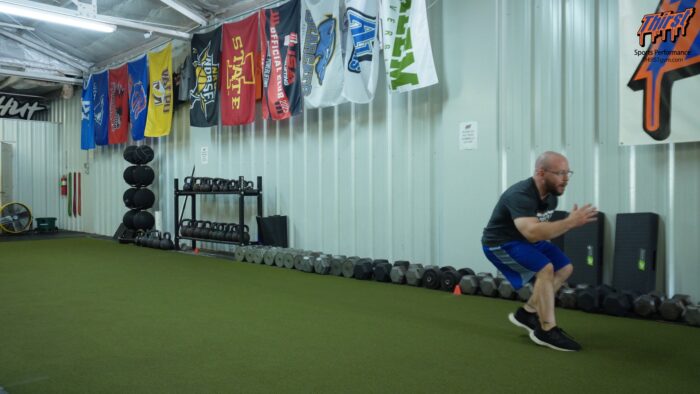
Alternating Lateral Broad Jumps

The alternating lateral broad jump is a dynamic plyometric exercise that combines lateral bounds with forward propulsion to develop explosive multi-directional power and change of direction ability. This advanced single-leg jumping drill builds hip stability, reactive strength, and cutting performance for basketball players, soccer athletes, and anyone looking to improve their agility and lateral power. Learn proper technique, progression strategies, and programming recommendations to safely incorporate this effective plyometric movement into your athletic training routine.

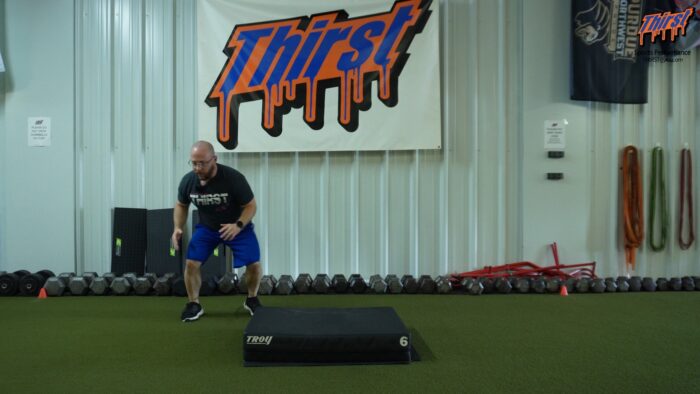
Low Box Hop To Lateral Push Out

Master the low box hop to lateral pushout to develop explosive lateral movement and rapid direction changes that translate directly to game performance. This dynamic agility drill combines plyometric training with lateral power development, teaching athletes the redirection mechanics needed for defensive footwork, cutting patterns, and court coverage. Learn proper technique, programming guidelines, and why this drill outperforms standard box jumps for building functional athleticism in basketball, soccer, tennis, and other lateral movement sports.

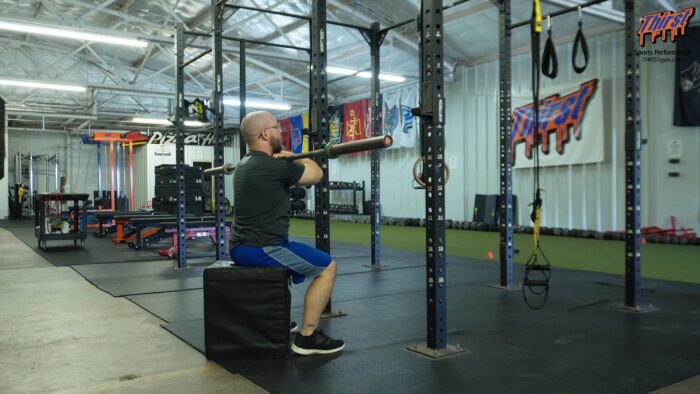
Front Rack Box Squat

Master the front rack box squat to build exceptional lower body strength while perfecting your front squat technique. This powerful anterior loaded variation helps you control squat depth, fix forward lean issues, and develop the upright torso positioning that translates to better squatting patterns across the board. Whether you’re teaching youth athletes their first barbell movements or breaking through strength plateaus, this box squat progression delivers results for lifters at every level.Retry

Sprint To Back Pedal

Master the sprint to backpedal drill to develop explosive deceleration mechanics and multi-directional speed that translates directly to game performance. This comprehensive agility training exercise teaches athletes how to stop efficiently, maintain an athletic stance during backward movement, and stay ready for rapid direction changes that separate elite competitors from average players. Learn the proper technique for acceleration, controlled stopping, and backpedaling mechanics that will transform your change of direction ability and overall athletic movement quality.

Hurdle Hop To Box Jump To Depth Drop

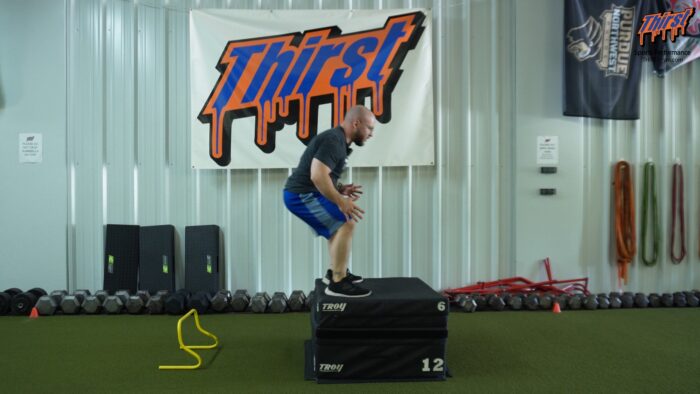
The hurdle hop to box jump to depth drop combines three powerful plyometric exercises into one explosive drill that develops vertical jump height, improves landing mechanics, and builds the kind of athletic springiness that translates directly to better performance in any sport. This advanced plyometric training method works by challenging your stretch-shortening cycle, developing tendon resiliency, and training your nervous system to handle higher impact forces than you’d encounter in competition. Learn how to properly execute this combination exercise, understand the science behind why it works, and discover how to program it effectively to see measurable improvements in your explosive power and jumping ability.

Heels Elevated Transformer Bar Squat

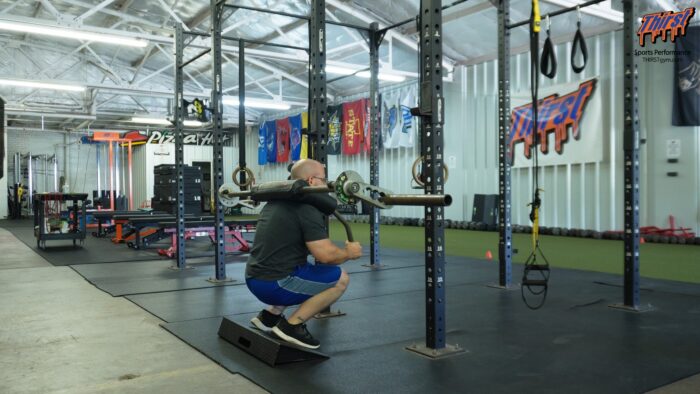
The heels elevated transformer bar squat delivers powerful quadriceps development and front squat mechanics without the wrist mobility demands or upper back strength limitations that hold most lifters back from traditional front squatting. By combining strategic heel elevation with the Kabuki Transformer Bar’s adjustable anterior loading system, you can achieve exceptional squat depth while maintaining a vertical torso position that maximizes quad engagement and minimizes lower back stress. This specialized variation allows you to load heavier than goblet squats while training the same beneficial movement patterns that make front squats so effective for building leg strength and athletic power.

Landmine Push Press

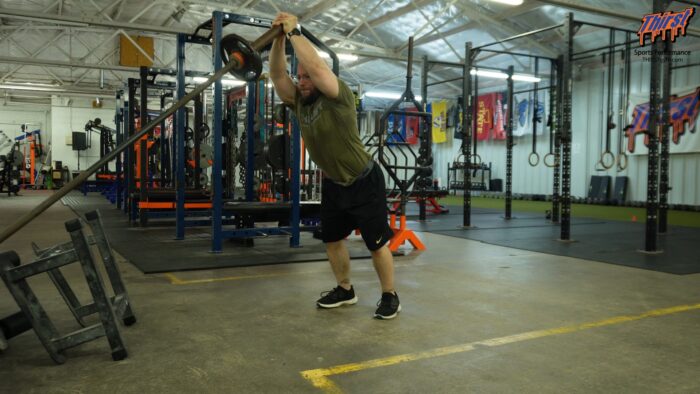
The landmine push press builds explosive upper body power while keeping your shoulders healthy and pain-free, making it the perfect alternative to traditional overhead pressing for athletes and lifters dealing with shoulder mobility limitations. This dynamic exercise combines lower body hip drive with pressing strength to develop the kind of force transfer that translates directly to better performance in contact sports like football, wrestling, and basketball. Learn the proper technique, programming strategies, and why this shoulder-friendly variation deserves a permanent place in your power training arsenal.