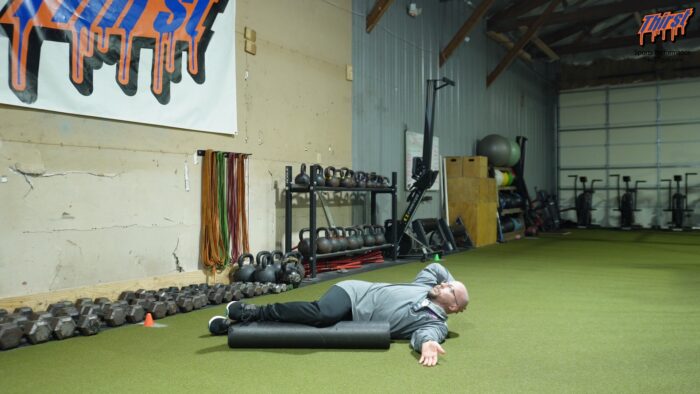

Sidelying Thoracic Rotation

The sidelying thoracic rotation is a foam roller mobility exercise that targets restricted upper back rotation and improves thoracic spine mobility through a self-correcting setup. This drill works perfectly as a warm-up before pressing movements, as active recovery between sets, or as a standalone mobility exercise for desk workers and athletes dealing with upper back stiffness. Learn proper technique, breathing cues, and programming strategies to unlock better shoulder health and rotational mobility.

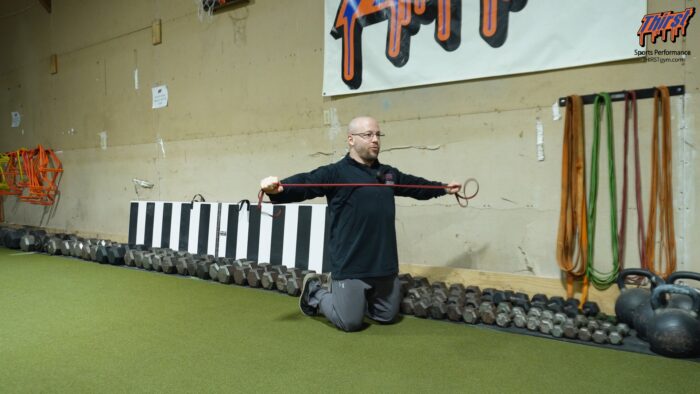
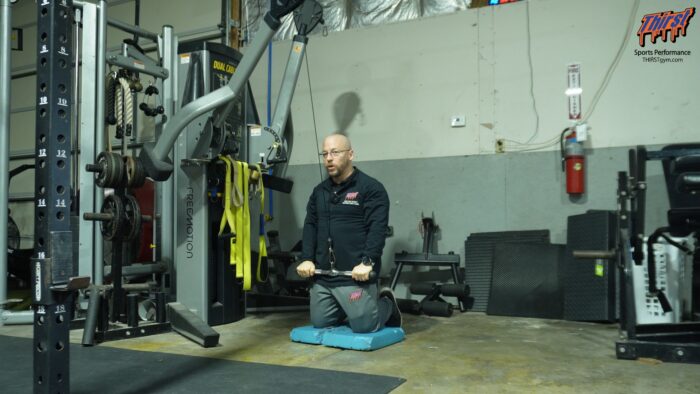
Tall Kneeling Cable Straight Arm Lat Pulldown

The tall kneeling cable straight arm lat pull down combines targeted lat development with integrated core stability training by forcing you to maintain a ribs-stacked-over-pelvis position that eliminates the lower back compensation common in standing variations. This accessory exercise delivers a two-for-one training effect, simultaneously building lat strength through pure shoulder extension while challenging your core’s ability to resist extension under load. Perfect for athletes seeking functional pulling strength or anyone looking to maximize training efficiency by combining upper back work with anti-extension core training in a single movement.

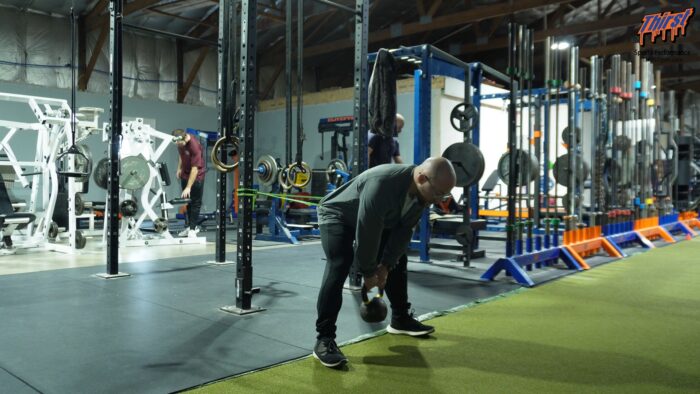
Sidelying KB Windmill

The sidelying kettlebell windmill is a highly effective thoracic mobility exercise that improves shoulder flexibility and upper back rotation using just a light kettlebell and floor space. This ground-based mobility drill works perfectly as a warm-up before pressing movements, as active recovery between sets, or as part of dedicated mobility training for powerlifters and rotational athletes. Learn proper technique, programming strategies, and how this kettlebell exercise can address common thoracic spine restrictions that limit your pressing performance and athletic movement.

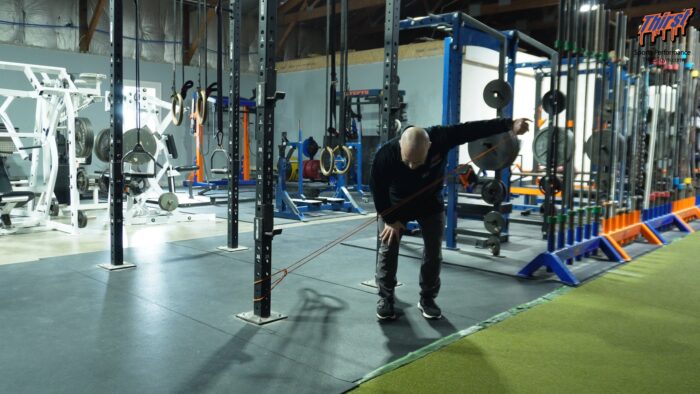
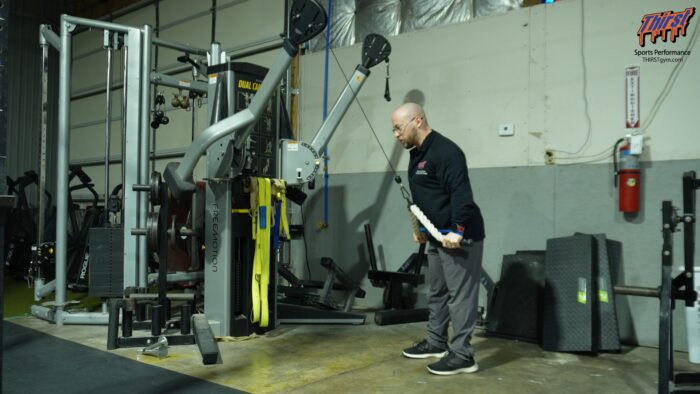
X Cable Face Pull

The X-cable face pull is an advanced face pull variation that allows for superior scapular protraction and retraction compared to traditional rope face pulls, making it an exceptional exercise for shoulder health, posterior deltoid development, and posture correction. By crossing the cables in an X pattern using dual D-handles, this shoulder-friendly movement creates a fuller range of motion that better targets the upper back, scapular stabilizers, and rear delts while reducing shoulder discomfort. Learn proper setup, execution technique, and programming strategies for this highly effective upper back exercise that benefits everyone from powerlifters to desk workers struggling with forward shoulder posture.

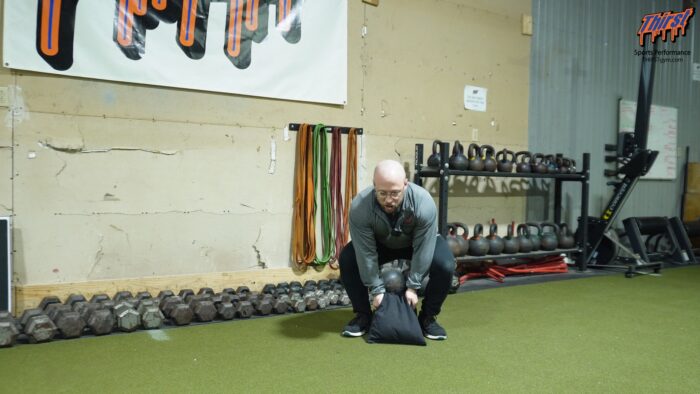
Step Back KB Swing To Row

The step back kettlebell swing to row combines explosive hip hinge mechanics with upper back pulling strength to create a dynamic full-body conditioning exercise that targets your posterior chain, grip, and cardiovascular system simultaneously. This advanced kettlebell variation is particularly valuable for combat sports athletes, wrestlers, and grapplers who need powerful hinging and pulling strength, while also serving anyone seeking time-efficient workouts that build functional strength across multiple movement patterns. Learn proper technique, programming recommendations, and how to integrate this compound kettlebell movement into your conditioning circuits for maximum training efficiency.

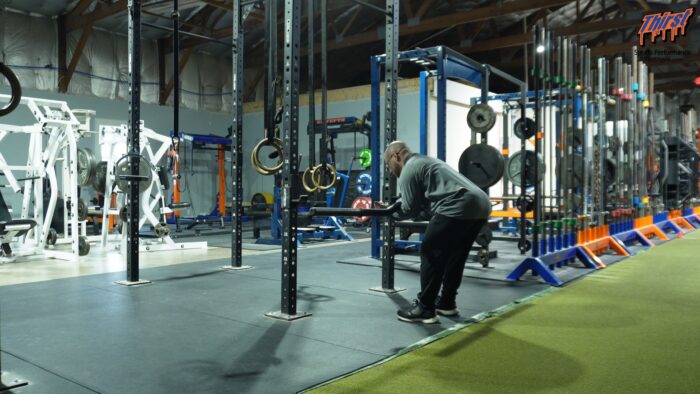
Single Arm Hammer High Row Machine

The single arm hammer high row machine builds exceptional upper back thickness while exposing and correcting the muscular imbalances that bilateral rowing movements often hide. This comprehensive guide breaks down the biomechanics, setup requirements, and programming strategies that transform this unilateral rowing variation into a precision tool for developing a stronger, more balanced back. Learn how to maximize scapular retraction, optimize loading strategies, and apply this exercise across training goals from powerlifting performance to postural correction.

Alternating Hammer High Row Machine

The alternating hammer high row machine delivers extended time under tension for superior lat development by keeping one arm in a stretched position while the other pulls, eliminating rest periods found in traditional bilateral rowing. This unilateral back exercise builds functional pulling strength while improving rotational mobility and correcting strength imbalances, making it especially valuable for athletes and serious lifters. Learn proper technique, grip options, and programming strategies to maximize your upper back training with this advanced rowing variation.

Thread The Needle

Thread the Needle is a powerful bodyweight mobility drill that improves thoracic spine rotation and shoulder mobility using nothing more than floor space, making it essential for anyone looking to enhance their bench press setup, overhead pressing mechanics, or overall upper body movement quality. This comprehensive guide breaks down the proper execution, explains why thoracic mobility matters for pressing strength and shoulder health, and provides programming strategies for implementing this exercise as a dynamic warm-up, active recovery tool, or between-set filler during training sessions. Whether you’re a powerlifter, overhead athlete, or desk worker dealing with postural limitations, this detailed tutorial will help you master one of the most effective and accessible mobility exercises for building healthier, more functional shoulders and upper back.

FFE Split Stance Cable Row With Opposite Reach

The front foot elevated split stance cable row with opposite reach combines upper body strength development with postural correction, making it particularly effective for athletes dealing with anterior pelvic tilt or excessive stiffness. This cable machine variation uses an elevated front foot position to improve pelvic positioning while the rotational reaching component keeps your ribcage fluid and mobile throughout each rep. Learn the proper setup, execution cues, and programming strategies to build back strength while simultaneously addressing common movement dysfunction patterns.

FFE Split Stance Cable Row

The front foot elevated split stance cable row builds exceptional single-arm upper back strength while solving common problems that plague traditional rowing variations, including low back discomfort and limited hip mobility. This cable machine variation uses a strategically elevated front foot position to keep your torso vertical and pelvis properly stacked, allowing you to access greater ranges of motion during pulling movements without compensatory patterns that typically cause issues. Perfect for athletes seeking positional strength development and lifters dealing with mobility limitations, this exercise delivers comprehensive upper body training with full-body integration and postural control benefits.