
Core Training for Powerlifters: Beyond the Six-Pack

Discover how to build bulletproof trunk strength that will transform your squat, bench press, and deadlift performance through proven powerlifting techniques that go far beyond traditional ab training. This comprehensive guide reveals the anatomy, bracing methods, and specific anti-extension, anti-rotation, and anti-flexion exercises that elite strength athletes use to create maximum force transfer and spinal stability under heavy loads. Learn the programming strategies and exercise progressions that will turn your midsection into an unbreakable foundation for lifting personal records while maintaining long-term spinal health.
Copenhagen Dips

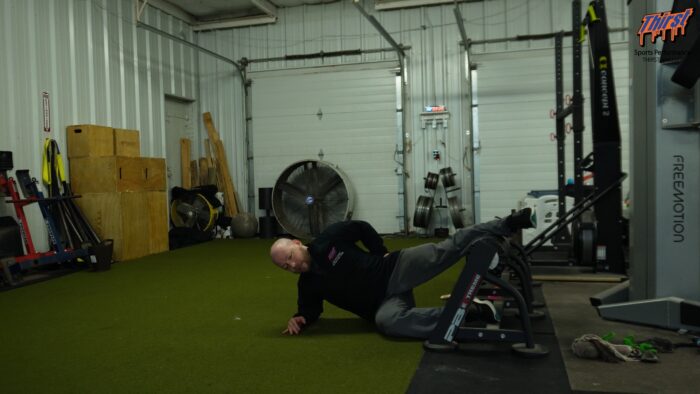
Copenhagen dips are a powerful bodyweight exercise that strengthens your adductor muscles and core while preventing groin injuries common in athletes and active individuals. This dynamic variation of the Copenhagen plank involves controlled hip dipping movements that target your inner thigh muscles through their full range of motion, making it an essential addition to any injury prevention or athletic training program. Learn the proper technique, common mistakes to avoid, and how to progress this challenging exercise for maximum groin strengthening and hip stability benefits.

Side Bend Off GHH/Back Extension

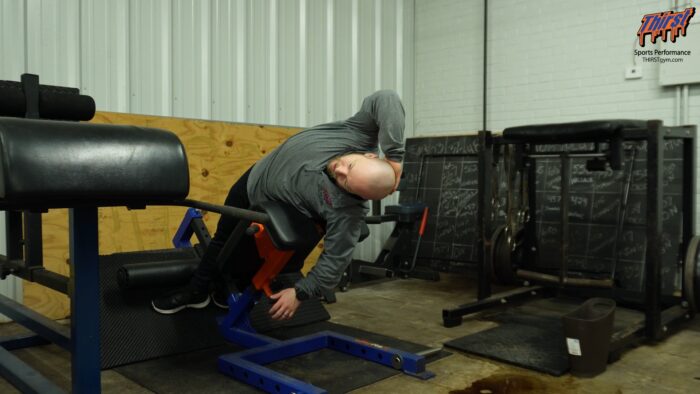
Discover how the side bend on GHH can transform your core training routine by targeting your obliques and QL muscles in ways traditional exercises can’t match. This underrated exercise not only builds impressive lateral trunk strength but may also reduce low back pain while enhancing your body’s natural movement patterns – learn the proper technique and programming options to maximize your results today.

Half Kneeling High Cable Row

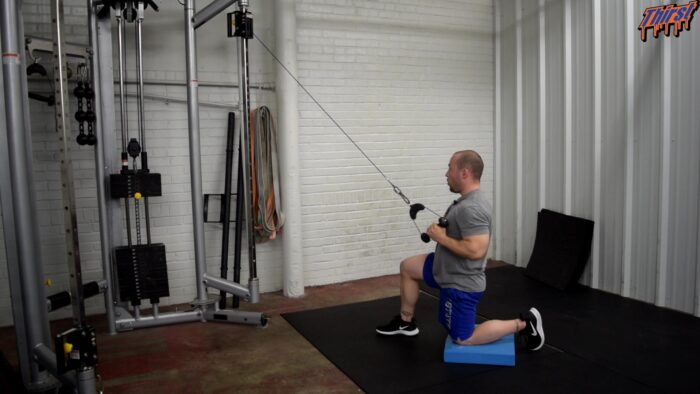
The half kneeling high cable row offers a powerful solution for athletes and clients who need effective lat and upper back training without the shoulder stress of traditional overhead pulling exercises. This hybrid movement combines vertical pulling mechanics with unilateral stability challenges, making it an ideal alternative to chin-ups and pull-ups for in-season athletes or those with shoulder mobility limitations. Learn proper setup, execution techniques, and programming strategies to maximize this versatile exercise’s benefits in your training programs.