
Why 90% of Lifters Bench Press Wrong (It’s Not What You Think)

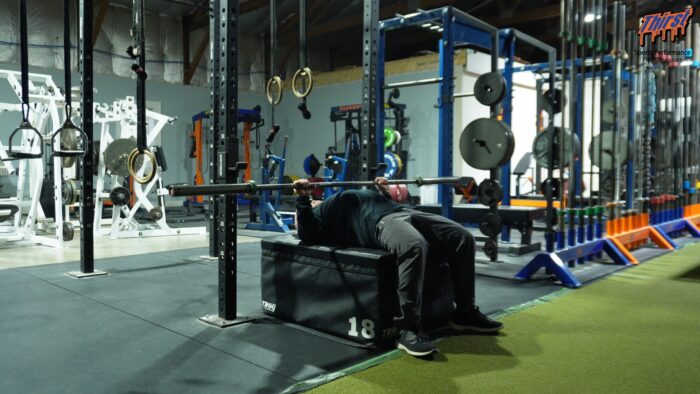
Nearly 90% of lifters approach the bench press with the wrong mental focus, limiting their strength potential regardless of how perfect their technique appears. This comprehensive guide reveals the single mental shift that can immediately add pounds to your bench press by changing how you think about generating force during the press. Learn why pushing yourself away from the barbell instead of pushing the bar up creates superior biomechanical advantage, plus discover practical implementation strategies and supplemental exercises that reinforce this game-changing approach to pressing strength.

Chest Supported Cable Face Pull

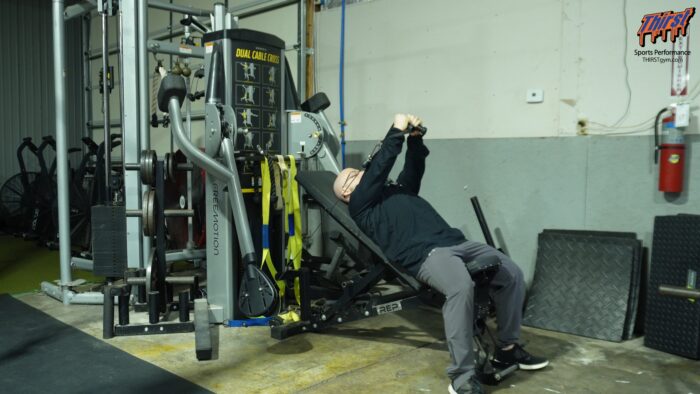
The chest supported cable face pull eliminates cheating and momentum from traditional face pull variations, allowing you to truly isolate your rear delts, traps, and upper back muscles for better shoulder health and posture correction. This incline bench modification provides proprioceptive feedback that keeps your form strict while targeting the posterior chain muscles that combat rounded shoulders and forward head posture. Learn the exact setup, execution technique, and programming strategies to make this variation a staple in your upper body training routine.

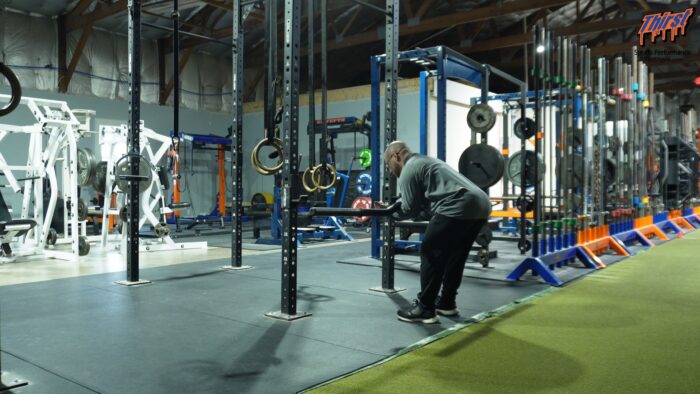
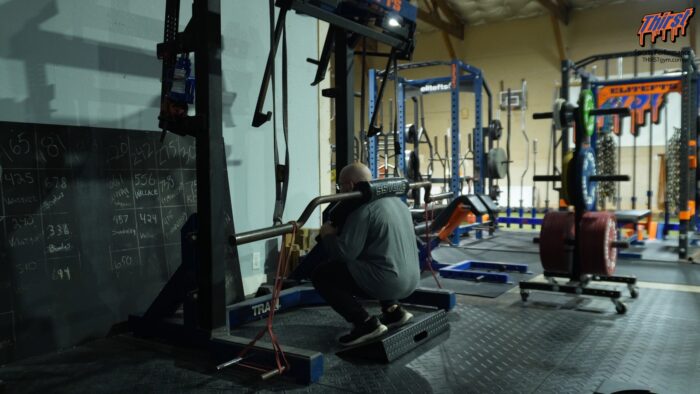
Front Rack Pause Squat

The front rack pause squat builds exceptional strength and control in the bottom position of your squat while improving mobility and reinforcing proper mechanics. This powerful barbell accessory exercise combines anterior loading with deliberate pause work to develop the positional strength, core stability, and upper back tension that translates directly to bigger front squats, back squats, and Olympic lifts. Learn proper setup, execution techniques, and programming strategies to integrate this squat variation into your strength training routine for maximum results.

Bent Over Single Arm Cable Rear Delt Raise

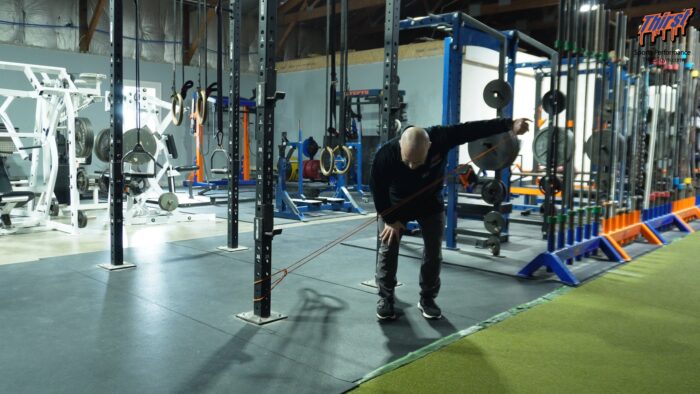
The bent over single arm cable rear delt raise delivers constant tension throughout the entire range of motion while maximizing load in the stretch position, making it one of the most effective rear deltoid exercises for building stronger, more developed posterior shoulders. This unilateral cable variation provides superior muscle growth stimulus compared to traditional dumbbell raises while simultaneously challenging your core stability through anti-rotation demands. Learn the complete setup, technique breakdown, and programming strategies to build well-rounded shoulder development with this highly efficient cable machine exercise.

Alternating DB Lateral Raise

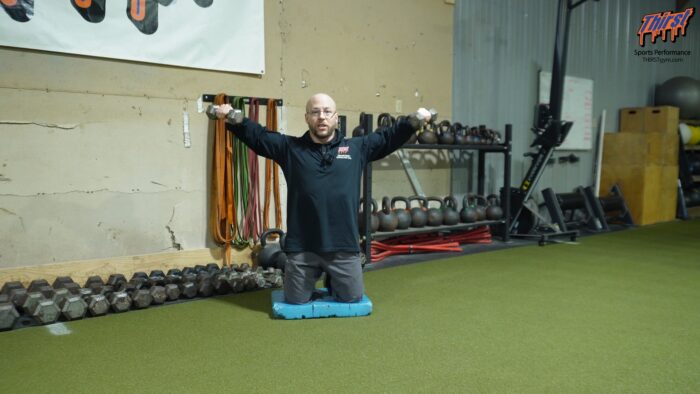
The alternating dumbbell lateral raise builds powerful lateral deltoids while challenging core stability through unilateral shoulder training. This lateral raise variation allows you to use heavier weights for maximum shoulder hypertrophy or extend time under tension as an intense shoulder finisher. Learn proper form, programming strategies, and how this exercise delivers unique benefits beyond standard dumbbell lateral raises for building bigger, stronger shoulders.

5 Overlooked Accessories That Add 50+ lbs to Your Total

Most powerlifters are missing out on fifty pounds or more on their total because they’re overlooking five critical accessory exercises that build core stability, upper back thickness, and unilateral leg strength. This comprehensive guide reveals how to properly execute and program the dead bug, Croc row, Bulgarian split squat, JM press, and suitcase carry to address weak links in your squat, bench press, and deadlift. Learn the exact progressions, loading parameters, and programming strategies that can add serious pounds to your powerlifting total in just six to eight weeks.

Supine Stability Ball Cable Lat Pullover

The supine stability ball cable lat pullover transforms traditional lat training into a comprehensive full-body exercise that builds back strength while simultaneously engaging your hamstrings and core for total posterior chain development. This cable machine variation provides an intense lat stretch in a supported thoracic extension position, making it an ideal accessory movement for maximizing lat hypertrophy and improving upper back mobility. Learn proper setup, execution technique, and programming strategies to incorporate this innovative stability ball exercise into your strength training routine for enhanced back development and functional core stability.

Front Rack Box Squat

Master the front rack box squat to build exceptional lower body strength while perfecting your front squat technique. This powerful anterior loaded variation helps you control squat depth, fix forward lean issues, and develop the upright torso positioning that translates to better squatting patterns across the board. Whether you’re teaching youth athletes their first barbell movements or breaking through strength plateaus, this box squat progression delivers results for lifters at every level.Retry

Heels Elevated Transformer Bar Squat

The heels elevated transformer bar squat delivers powerful quadriceps development and front squat mechanics without the wrist mobility demands or upper back strength limitations that hold most lifters back from traditional front squatting. By combining strategic heel elevation with the Kabuki Transformer Bar’s adjustable anterior loading system, you can achieve exceptional squat depth while maintaining a vertical torso position that maximizes quad engagement and minimizes lower back stress. This specialized variation allows you to load heavier than goblet squats while training the same beneficial movement patterns that make front squats so effective for building leg strength and athletic power.

Single Arm Seated Cable Row With Opposite Reach

Master the single arm seated cable row with opposite reach, a dynamic upper back exercise that combines traditional cable row strength training with athletic rotational movement patterns. This innovative variation targets your lats, rhomboids, and posterior deltoids while improving rib cage mobility and core stability, making it perfect for athletes seeking both muscle hypertrophy and functional performance. Learn proper technique, programming recommendations, and discover why this cable machine exercise outperforms standard bilateral rowing movements for comprehensive back development.