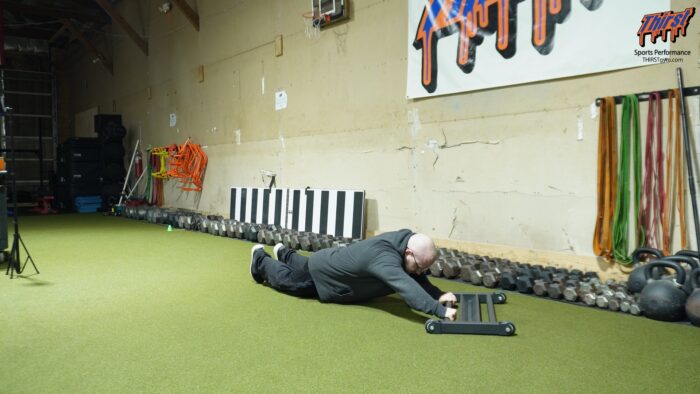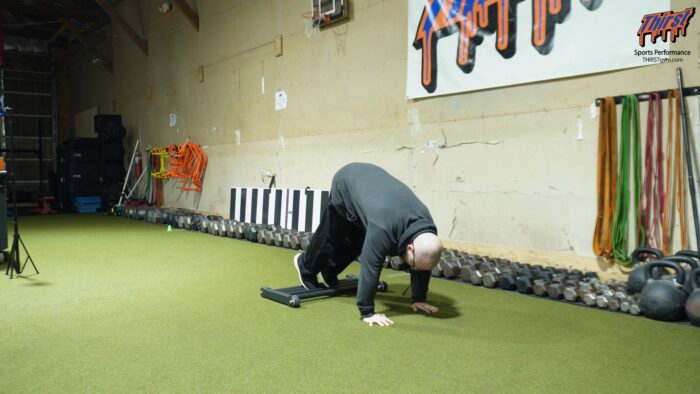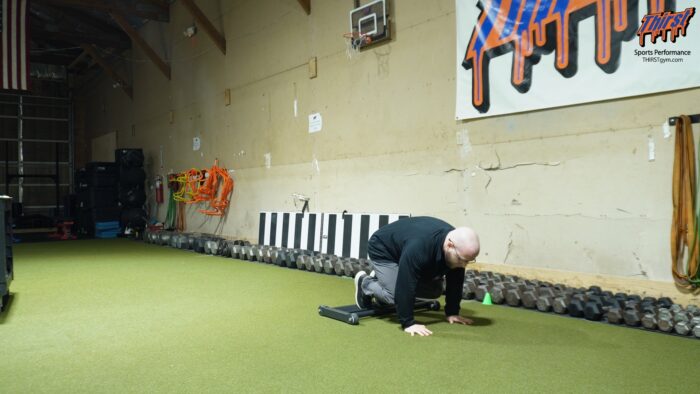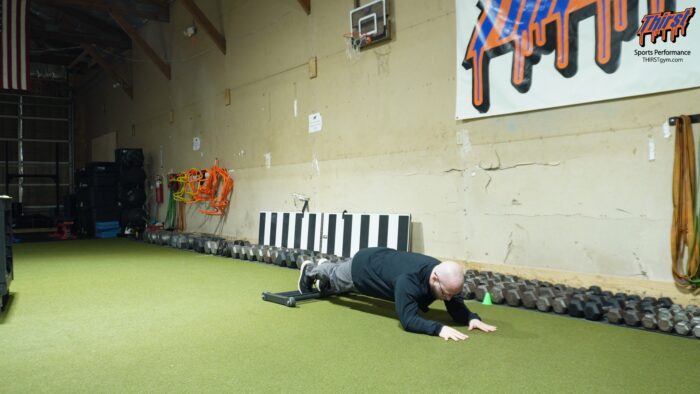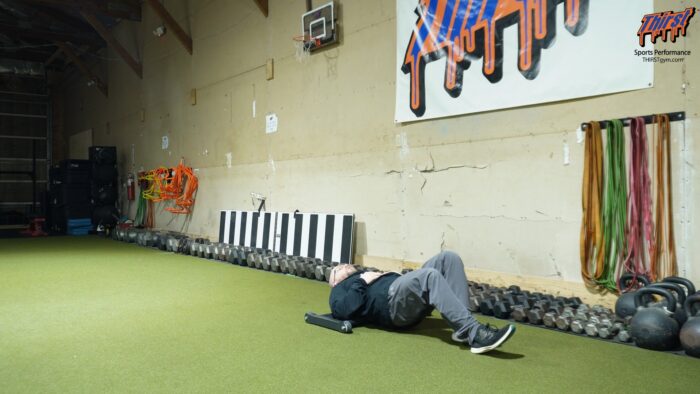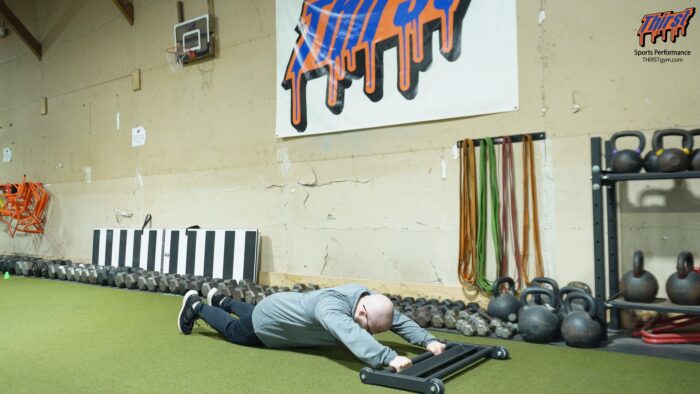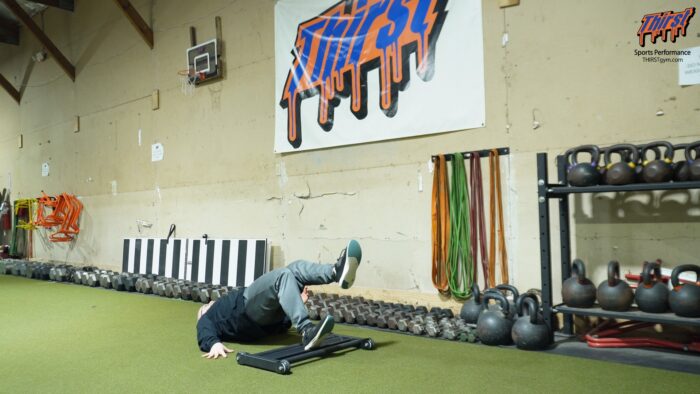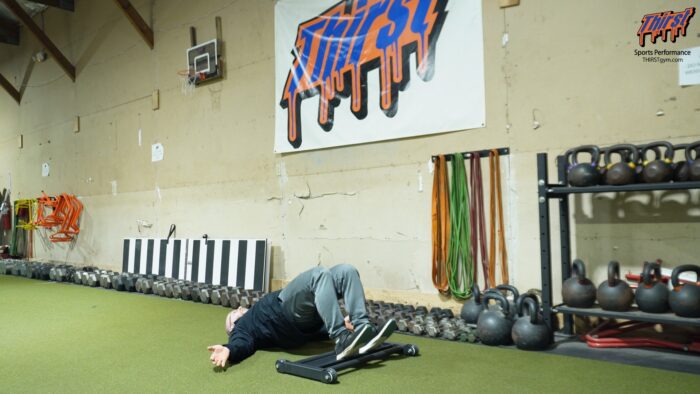

Glute Ham Roller Ab Fallout

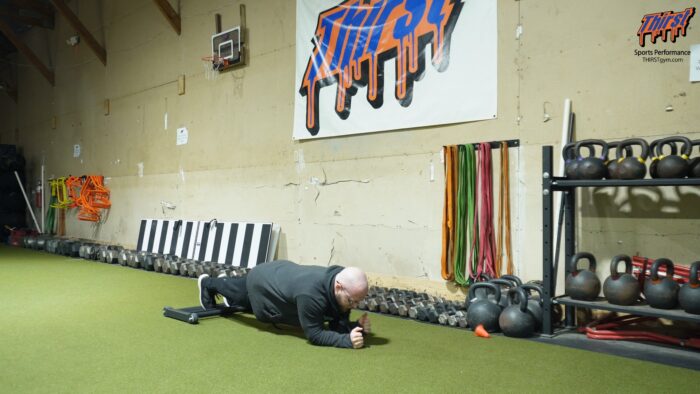
The glute ham roller ab fallout is a powerful anti-extension core exercise that builds serious abdominal strength and spinal stability for athletes and lifters alike. Learn proper kneeling technique, the most common mistakes that quietly wreck your results, and how to program this eccentric-focused movement for wrestlers, powerlifters, and everyday fitness clients. Master the ab fallout and unlock a stronger, more resilient core — no crunches required.

Glute Ham Roller Single Leg Leg Curl

Master the single-leg glute ham roller leg curl, a brutal unilateral hamstring exercise that builds serious posterior-chain strength using only your bodyweight. Learn proper technique, the muscles it works, common mistakes to avoid, and how to program it to fix side-to-side imbalances and protect your knees. A must-have hamstring builder for wrestlers, combat athletes, and anyone who has outgrown the standard glute ham roller leg curl.

Seated Vertical Jump

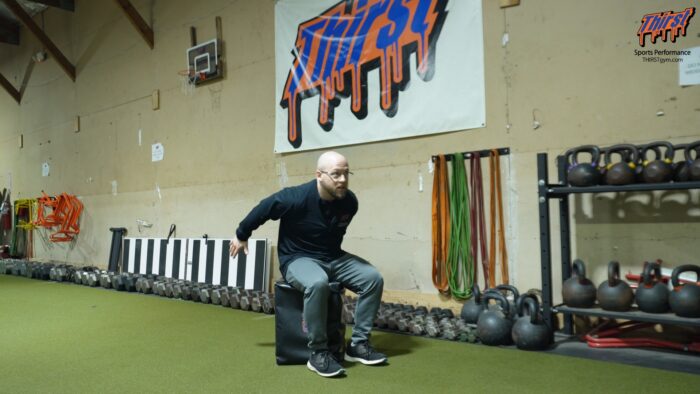
The seated vertical jump is a simple, equipment-light plyometric exercise that builds explosive power and rate of force development by teaching athletes to produce force from a dead stop. In this guide, Brandon Smitley of THIRST Gym breaks down proper box height, jump stance, landing mechanics, and programming so you can jump higher and get off the ground faster. It’s the perfect power drill whether you’re in a fully equipped facility or training at home with just a chair.

Single Leg Lateral Box Jump

The single leg lateral box jump is one of the best drills for building frontal plane power, single-leg explosiveness, and the hip stability that protects your knees during cutting and change of direction. In this guide, Brandon Smitley of THIRST Gym breaks down how to perform the exercise in both lateral and medial directions, how to program it for in-season athletes, and why it’s a powerful tool for wrestlers and combat sport athletes. Learn the coaching cues, landing mechanics, and progressions that make this single-leg plyometric drill so effective.

Single Leg Lateral Box Jump To Bilateral Landing

The single-leg lateral box jump to bilateral landing is an advanced plyometric that builds single-leg power, lateral change-of-direction ability, and hip stability in one efficient drill. Learn how to set it up, train both the lateral and medial variations, and program it correctly to expose and correct left-to-right asymmetries. Brandon Smitley of THIRST Gym in Terre Haute, Indiana breaks down the biomechanics, coaching cues, and sets-and-reps for this frontal-plane power exercise.

Hip Turn To Sprint and Back

Master the hip turn to sprint and back, an advanced reactive change of direction drill that combines the hip turn, linear sprint mechanics, and a return redirect into one explosive sequence. Learn the proper athletic stance, coaching cues, common mistakes, and exact set and rep programming to build change of direction speed for combat sports, field, and court athletes. A complete coaching breakdown of one of the most transferable speed and agility drills you can run.

Hip Turn To Lateral Push Out

Master the hip turn to lateral pushout, a simple but powerful change of direction drill that trains athletes to reorient their hips, stay low, and explode into an aggressive lateral push. Learn the setup, technique, coaching cues, common mistakes, and programming to build faster, more reactive athletes. A perfect addition to any warm-up, hip turn series, or speed and agility training block.

Hip Turn (In-Place)

Master the in-place hip turn, a foundational change of direction drill that teaches athletes to dissociate the hips from the upper body for faster, more balanced lateral movement. This no-equipment agility exercise builds the athletic stance, hip control, and lateral push mechanics essential for defense and reactive change of direction. Learn the setup, technique, common mistakes, and programming from THIRST Gym’s Brandon Smitley.

The Science of Reactive Strength: Plyometrics That Actually Transfer to Sport Performance

Most plyometric training doesn’t transfer to sport performance because coaches confuse explosive strength with reactive strength — two qualities that demand entirely different programming. This in-depth guide breaks down all three phases of the stretch-shortening cycle, explains how to use the reactive strength index (RSI) to monitor contact time and readiness, and identifies the five programming mistakes that kill transfer. You’ll also get a specificity spectrum for exercise selection, a full 16-week plyometric periodization template, and sport-specific applications for sprinters, soccer players, and basketball athletes.