
Velocity Based Training Explained: The Science That Makes Athletes Stronger & More Explosive

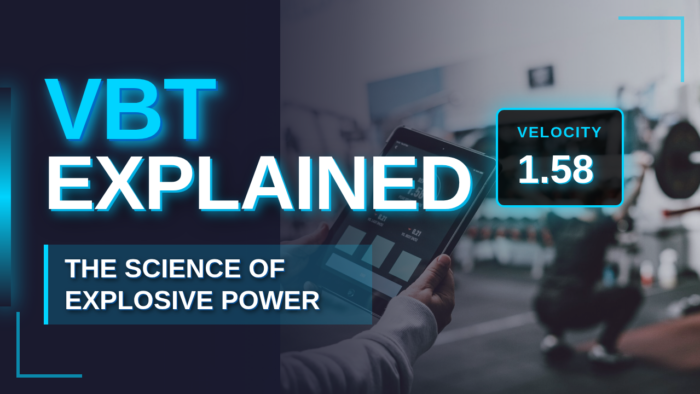
Velocity based training (VBT) replaces guesswork-heavy percentages with real-time bar speed data, letting the load-velocity relationship tell you exactly how hard to train on any given day. In this complete guide, strength coach Brandon Smitley of THIRST Gym breaks down autoregulation, velocity loss thresholds, and rate of force development—and shows how athletes, powerlifters, and everyday lifters can use VBT to train smarter and get genuinely stronger.

The Science of Reactive Strength: Plyometrics That Actually Transfer to Sport Performance

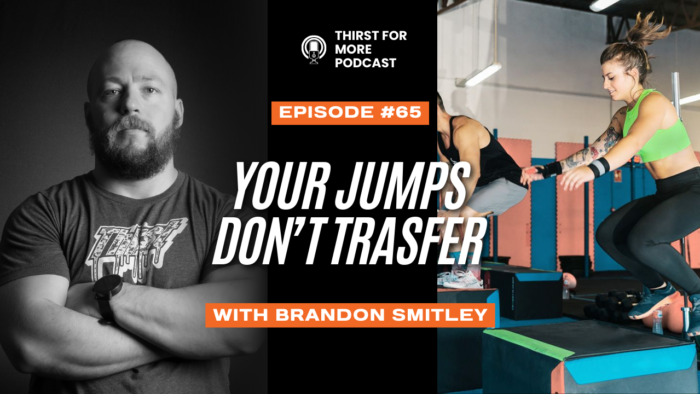
Most plyometric training doesn’t transfer to sport performance because coaches confuse explosive strength with reactive strength — two qualities that demand entirely different programming. This in-depth guide breaks down all three phases of the stretch-shortening cycle, explains how to use the reactive strength index (RSI) to monitor contact time and readiness, and identifies the five programming mistakes that kill transfer. You’ll also get a specificity spectrum for exercise selection, a full 16-week plyometric periodization template, and sport-specific applications for sprinters, soccer players, and basketball athletes.

Why Bodybuilding Training Makes Wrestlers WORSE (And What to Do Instead)

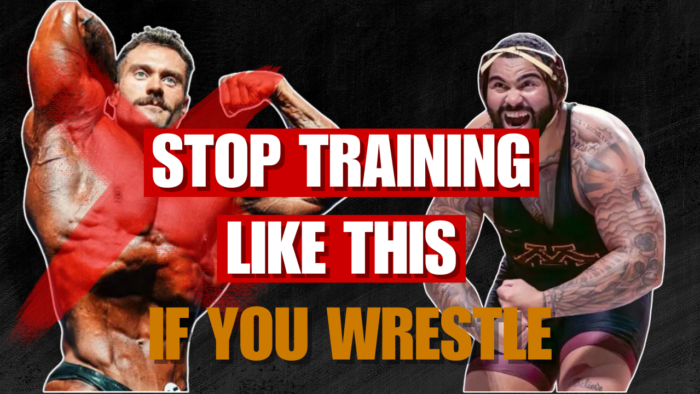
Strength training for wrestlers built on bodybuilding splits can quietly make you worse on the mat by adding bodyweight without proportional force, power, or the right energy systems. This complete guide breaks down the physiology behind why bodybuilding training fails wrestlers and lays out four principles — plus a sample 3-day off-season program — to build explosive, sport-specific strength that carries over to competition.

5 Best Reverse Hyper Alternatives (No Machine Needed)

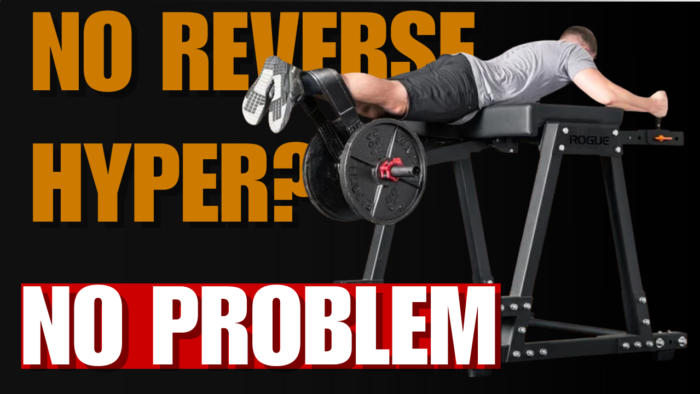
No reverse hyper at your gym? These five reverse hyper alternatives — from the loaded 45-degree back extension to the glute ham raise and kettlebell Jefferson curl — let you build a strong, resilient posterior chain anywhere. Coach Brandon Smitley breaks down exactly how to execute, load, and program each movement to drive bigger squats, heavier deadlifts, and better athletic performance.

Recruiting Services, Showcases, and Highlights: The Multi-Billion Dollar Industry Selling False Hope

The youth sports recruiting industry is a multi-billion-dollar machine built to sell college recruiting hope to families, with the average all-in pipeline costing $60,000–$80,000 for a roughly 2% shot at any athletic scholarship. Learn what college coaches actually say about recruiting services, showcases, and highlight reels, why nearly 80% of them dislike platform messages, and how to get your athlete genuinely recruited for 95% less using a proven, mostly free seven-step strategy.

4 Essential Exercises Swimmers MUST Do in the Gym (Backed by Science)

Strength training for swimmers requires a sport-specific approach that addresses the unique biomechanical demands of the pool, including repetitive spinal extension, explosive starts and turns, and the bone density challenges of non-impact training. This complete dryland training guide breaks down the four essential strength and conditioning components every swimmer needs, including anti-extension core work, bilateral lower body strength, plyometric power development, and energy system training. Whether you’re a competitive swimmer, triathlete, or coach, learn the science-backed exercises and programming strategies that will help you swim faster, build durability, and prevent the chronic injuries that derail so many swimming careers.

Fitness Industry Trends: What’s Actually Science vs. What’s Just Marketing

Every year the fitness industry rolls out new “revolutionary” trends, but separating real science from marketing hype takes a clear evaluation framework. In this comprehensive breakdown, THIRST Gym owner and strength coach Brandon Smitley analyzes the biggest fitness trends of 2026 across velocity based training, blood flow restriction, zone 2 cardio, HRV wearables, biohacking protocols, and more, identifying what’s legitimate, what’s overhyped, and what’s complete nonsense. Learn how to filter fitness trends through peer-reviewed research, effect size, and cost-benefit analysis to make smarter training, nutrition, and recovery decisions.

5 Best Ab Exercises Based on Science (EMG Study Results)

The best ab exercises aren’t the trendy ones flooding your social media feed — they’re the five movements backed by EMG research that actually build a stronger, more functional core. From the dead bug and Pallof press to the ab wheel rollout, hanging leg raise, and kneeling cable crunch, this guide breaks down exactly how to perform, progress, and program the most effective abdominal exercises for powerlifters, combat athletes, and general fitness enthusiasts. Stop wasting hours on endless crunches and learn how to train your rectus abdominis, obliques, and transverse abdominis the right way.

6 Exercises That Build Championship Wrestling Strength

The best exercises for wrestling and combat sports athletes go far beyond the bench press and squat — they target the specific strength qualities that actually win matches. In this guide, THIRST Gym performance coach Brandon Smitley breaks down the six exercises he relies on most after a decade of training wrestlers and grappling-based athletes, covering everything from lateral power development and single leg strength to grip training and end-of-match conditioning. Whether you are a high school wrestler working toward college competition or a grappler looking to take your mat performance to the next level, these exercises will help you build the impulse, absolute strength, and power endurance your sport demands.

The Youth Travel Sports Reality Check: A Guide for Coaches AND Parents

Youth travel sports are producing more overuse injuries, early burnout, and athletic dropout than ever before — and the research makes clear that early single-sport specialization is a primary driver. In this post, strength coach Brandon Smitley of THIRST Gym breaks down what the science actually says about youth athletic development, long-term athlete development (LTAD), and how coaches and parents can work together to make better decisions for young athletes within the travel sports system. Whether you’re a parent investing in club sports or a coach training youth athletes, this is the data-driven framework you need to hear.