
Recruiting Services, Showcases, and Highlights: The Multi-Billion Dollar Industry Selling False Hope

The youth sports recruiting industry is a multi-billion-dollar machine built to sell college recruiting hope to families, with the average all-in pipeline costing $60,000–$80,000 for a roughly 2% shot at any athletic scholarship. Learn what college coaches actually say about recruiting services, showcases, and highlight reels, why nearly 80% of them dislike platform messages, and how to get your athlete genuinely recruited for 95% less using a proven, mostly free seven-step strategy.

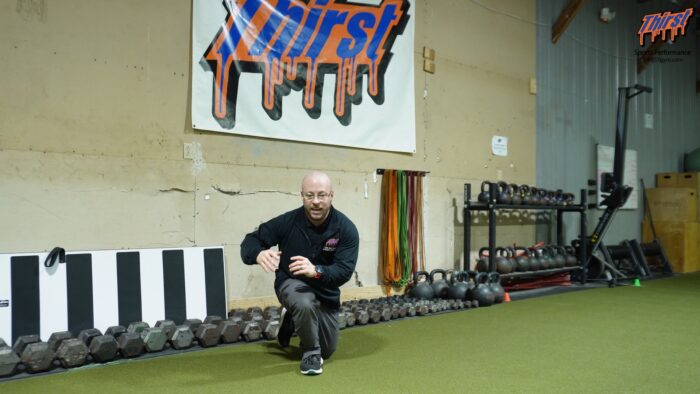
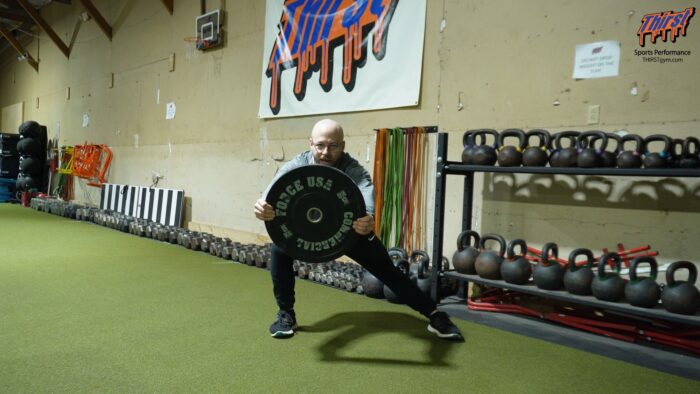
In-Place Lateral Lunge With Plate Reach

The in-place lateral lunge with plate reach is a beginner-friendly hip mobility exercise that builds frontal-plane strength, lengthens the adductors, and teaches you how to load each hip with confidence. Learn the proper stance, the plate-reach counterbalance technique, the most common mistakes to avoid, and how to program this drill as a teaching tool or pre-training warm-up. It’s a foundational lateral lunge variation for wrestlers, combat athletes, powerlifters, and anyone who wants healthier, more mobile hips.

I Survived the Velocity Diet – 5.5 Lbs Lost, Here’s What They Don’t Tell You

The Velocity Diet promises rapid fat loss through protein shakes and a single daily meal — but does it actually work? Strength coach Brandon Smitley ran the controversial 28-day V-Diet himself, losing 5.5 pounds while maintaining strength and muscle, and breaks down the modifications, the pros and cons, and exactly who should (and shouldn’t) try it.

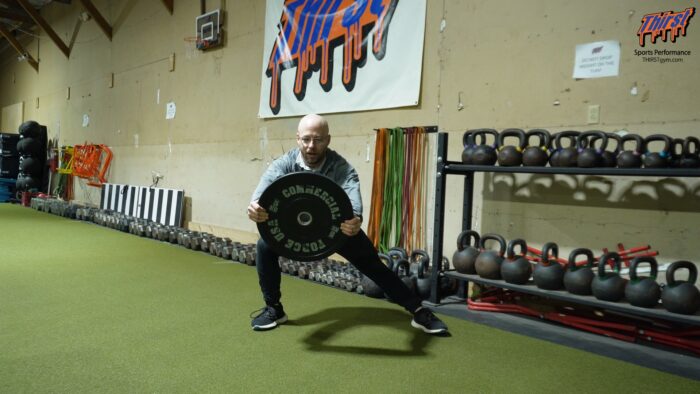
Lateral Lunge With Plate Reach

The lateral lunge with plate reach is one of the best teaching exercises for building frontal-plane movement, hip control, and clean lateral mechanics. Learn how the plate counterbalance unlocks proper depth, why a light 5–10 lb plate beats going heavy, and how to coach foot position, knee tracking, and programming for athletes and general fitness clients alike. A simple, low-cost drill that lays the foundation for goblet and sandbag lateral lunge progressions.

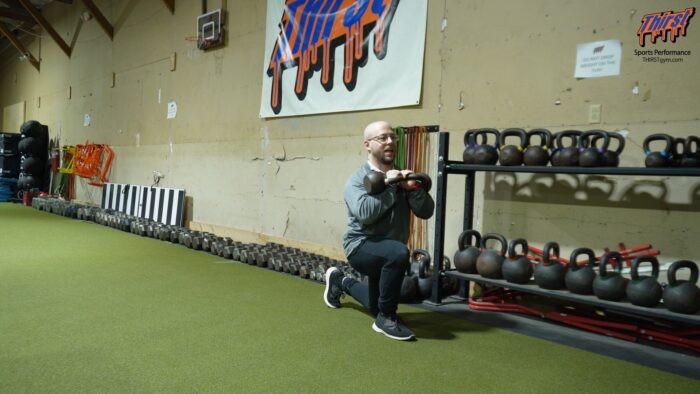
Hatfield FFE Reverse Lunge

The Hatfield front foot elevated reverse lunge is one of the most effective single-leg exercises for building lower body strength and size, combining hand-assisted stability with an increased range of motion to load the glutes, quads, and hamstrings heavier than a traditional reverse lunge ever could. In this exercise index breakdown, I walk through setup, technique, programming recommendations, and exactly when to use this variation. It’s also one of my go-to single-leg movements for lifters dealing with low back issues who still want to train hard.

Hatfield Reverse Lunge

The Hatfield reverse lunge is a single-leg strength exercise that uses a safety squat bar and band pegs (or a second barbell) for stability, allowing you to load heavier than a traditional reverse lunge while training the glutes, hamstrings, and quads unilaterally. In this guide, I break down the setup, technique, biomechanics, and programming recommendations so you can use this lunge variation to build lower-body strength, size, and athletic performance. It’s also one of the best lunge variations for in-season athletes and lifters managing low back issues.

Why You Feel Like a Fraud: Imposter Syndrome in Fitness Professionals

Imposter syndrome in the fitness industry is far more common than personal trainers, strength coaches, and gym owners realize, with research showing roughly 70% of professionals will experience it during their career. In this episode of the THIRST More Podcast, Brandon Smitley breaks down the five types of imposter syndrome, why fitness professionals are uniquely vulnerable, and the evidence-based REALS framework you can use to manage self-doubt, raise your rates, and grow your coaching business with confidence.

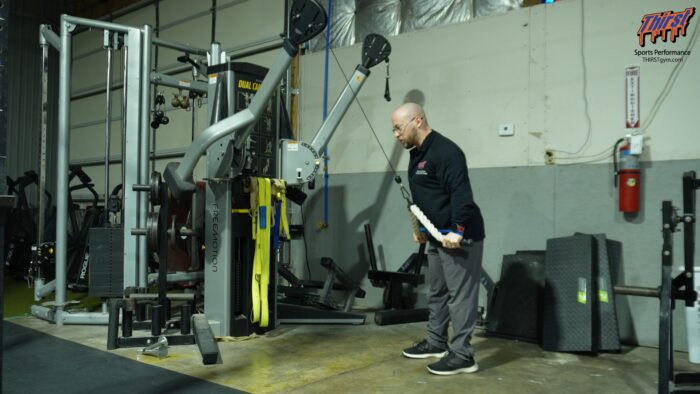
Split Stance Cable Lift

The split stance cable lift builds rotational power, core stability, and hip mobility in a single athletic movement, making it one of the most versatile exercises for developing change of direction strength. Brandon Smitley breaks down the setup, the “into the cut” versus “out of the cut” variations, and programming recommendations for athletes, combat sports competitors, and general fitness clients alike.

4 Essential Exercises Swimmers MUST Do in the Gym (Backed by Science)

Strength training for swimmers requires a sport-specific approach that addresses the unique biomechanical demands of the pool, including repetitive spinal extension, explosive starts and turns, and the bone density challenges of non-impact training. This complete dryland training guide breaks down the four essential strength and conditioning components every swimmer needs, including anti-extension core work, bilateral lower body strength, plyometric power development, and energy system training. Whether you’re a competitive swimmer, triathlete, or coach, learn the science-backed exercises and programming strategies that will help you swim faster, build durability, and prevent the chronic injuries that derail so many swimming careers.