
Progressive Overload Myths: The Evidence-Based Truth Coaches Need to Know

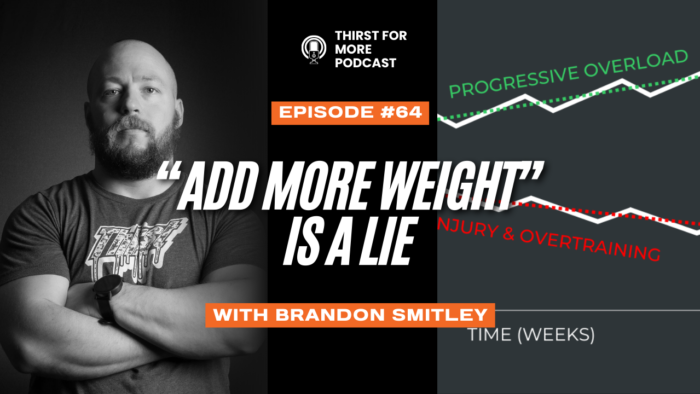
Progressive overload is more than adding weight to the bar. This guide breaks down seven common progressive overload myths and reveals the six real overload variables — load, volume, density, range of motion, exercise variation, and technique — that drive strength, hypertrophy, conditioning, and mobility progress. Learn how to program progressive overload correctly for beginners, intermediates, advanced lifters, and aging athletes with evidence-based coaching from THIRST Gym.

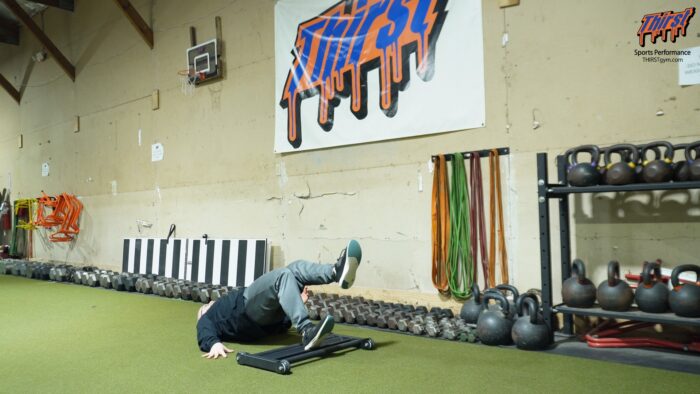
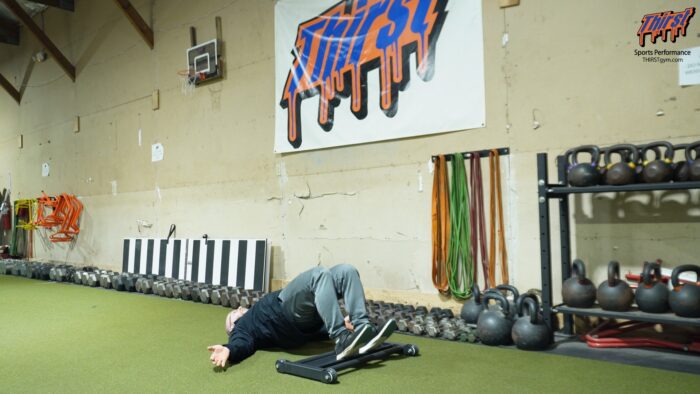
Feet Elevated Crunch

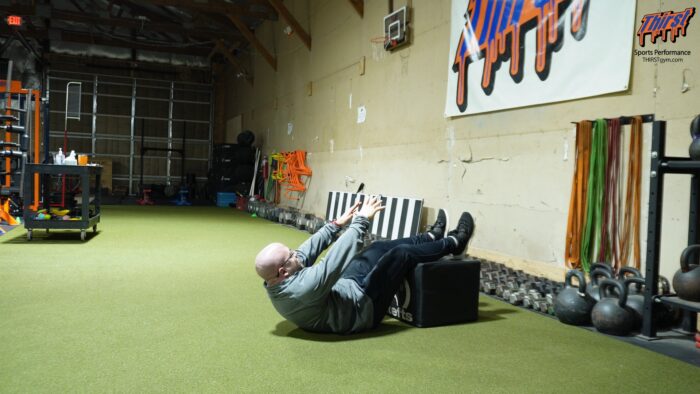
Learn how to perform the feet-elevated crunch, a strict, isolated ab exercise that targets the rectus abdominis while taking the hip flexors and lower back out of the equation. This step-by-step guide from Brandon Smitley of THIRST Gym covers setup, technique, common mistakes, loading options, and programming to help you build a stronger mind-muscle connection. Perfect for beginners, lifters, and combat sports athletes looking to train their abs with quality over ego.

5 Best Reverse Hyper Alternatives (No Machine Needed)

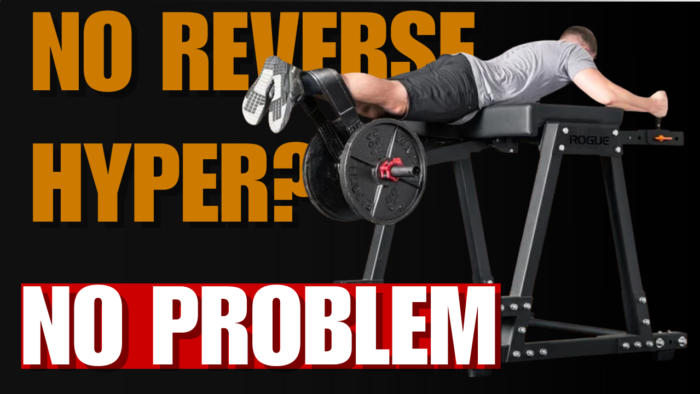
No reverse hyper at your gym? These five reverse hyper alternatives — from the loaded 45-degree back extension to the glute ham raise and kettlebell Jefferson curl — let you build a strong, resilient posterior chain anywhere. Coach Brandon Smitley breaks down exactly how to execute, load, and program each movement to drive bigger squats, heavier deadlifts, and better athletic performance.

The Best Chest Exercises for Growth (Science Explained)

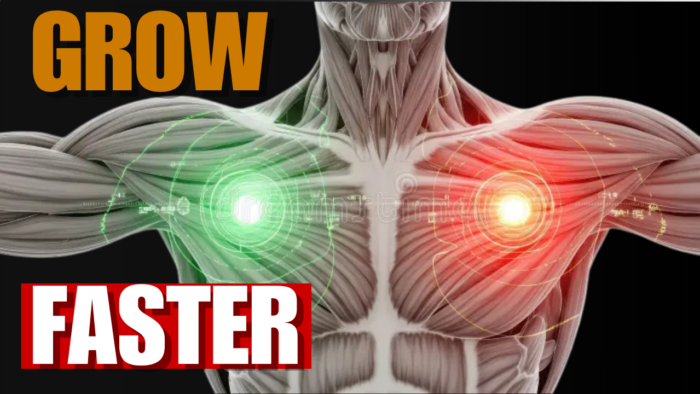
Discover the best chest exercises for growth in this biomechanics-based guide to building a bigger chest. THIRST Gym coach Brandon Smitley breaks down the five most effective chest exercises for hypertrophy — the dumbbell bench press, cable fly, incline barbell bench press, chest-focused dips, and weighted push-ups — along with the anatomy behind them and a complete programming framework. Learn not just what to do, but exactly how and why each movement builds a fuller, stronger chest.

Band RNT Cable Straight Arm Lat Pulldown

The band resisted cable straight arm lat pulldown is a simple upgrade to a classic back exercise that dramatically increases lat activation while teaching you how to set your upper back for a stronger, more stable bench press. Learn the exact setup, coaching cues, biomechanics, common mistakes, and programming recommendations — whether you’re using it as a bench press primer or a dedicated accessory.

Hatfield FFE Reverse Lunge

The Hatfield front foot elevated reverse lunge is one of the most effective single-leg exercises for building lower body strength and size, combining hand-assisted stability with an increased range of motion to load the glutes, quads, and hamstrings heavier than a traditional reverse lunge ever could. In this exercise index breakdown, I walk through setup, technique, programming recommendations, and exactly when to use this variation. It’s also one of my go-to single-leg movements for lifters dealing with low back issues who still want to train hard.

Hatfield Reverse Lunge

The Hatfield reverse lunge is a single-leg strength exercise that uses a safety squat bar and band pegs (or a second barbell) for stability, allowing you to load heavier than a traditional reverse lunge while training the glutes, hamstrings, and quads unilaterally. In this guide, I break down the setup, technique, biomechanics, and programming recommendations so you can use this lunge variation to build lower-body strength, size, and athletic performance. It’s also one of the best lunge variations for in-season athletes and lifters managing low back issues.

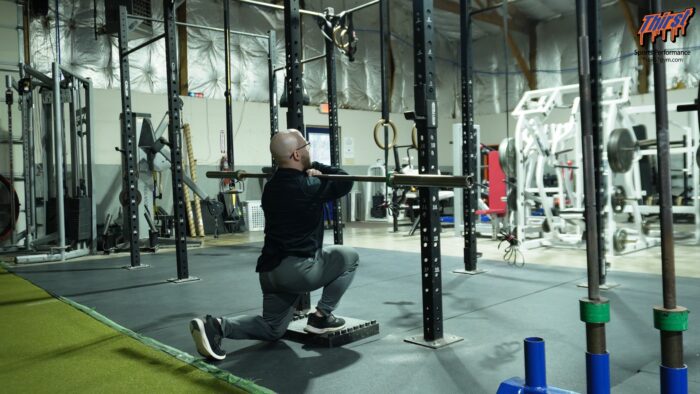
Hatfield FFE Split Squat

The Hatfield front foot elevated split squat is one of the most effective single-leg exercises you can add to your training, combining safety squat bar loading with stability support to take balance out of the equation and let you push heavier weights for strength and hypertrophy. In this exercise index breakdown, Brandon Smitley of THIRST Gym walks you through the setup, technique, programming recommendations, and the biomechanical reasons this variation builds bigger glutes, stronger legs, and better mobility. Learn how to add this powerful split squat variation to your powerlifting accessory work or athletic development program today.