
Alternating Kettlebell Swing: Build Power, Conditioning, and Posterior Chain Strength
The alternating kettlebell swing is one of the most efficient single-implement exercises you can add to your training. With nothing more than a single kettlebell, you can simultaneously develop explosive hip extension, strengthen the posterior chain, and drive your conditioning through the roof. Whether you’re a strength athlete, combat sports competitor, or general fitness enthusiast, this movement earns its place in your program.
Watch the video below on how to maximize this exercise.
What Is the Alternating Kettlebell Swing?
The alternating kettlebell swing is a variation of the traditional two-handed kettlebell swing where you pass the bell from one hand to the other at the top of each rep. Like its foundational counterpart, this movement is driven entirely by the hips — not the arms — and demands that same violent, explosive hip extension that makes the standard swing so effective. If you haven’t yet mastered the regular kettlebell swing, start there first to lock in your mechanics before progressing to this variation.
Setup and Technique
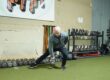
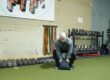
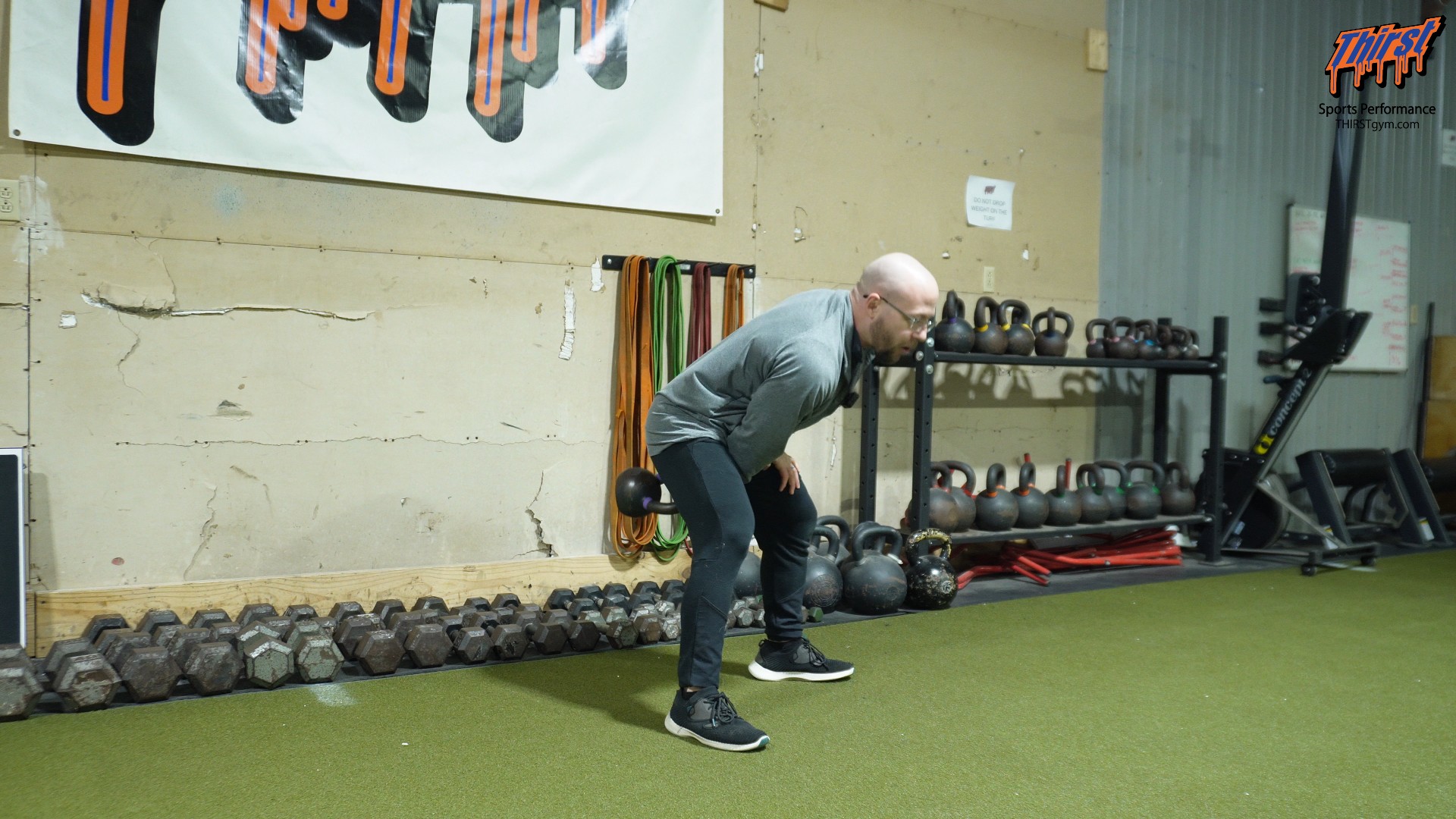
All you need is a single kettlebell. Begin in a slightly wider-than-shoulder-width athletic stance, giving yourself enough room for the bell to travel freely between your legs during the hinge. From there, grip the kettlebell in one hand and hike it back aggressively, loading the hips just as you would in a standard swing.
As the kettlebell floats to the top of the arc — roughly chest to shoulder height — that’s your window to switch hands. The key is to stay as tall as possible at the top, driving up through the hips rather than pulling with the arms. One technique tip worth emphasizing: rather than reaching over the top of the bell during the hand switch, rotate the kettlebell slightly so your incoming hand can slide into a natural grip position. This small adjustment makes the transition smoother, reduces the chance of a fumbled catch, and keeps the rhythm of the movement intact.
Resist the urge to swing the bell excessively high. If it’s flying up past your chest, the weight is likely too light or you’re muscling it with your upper body instead of generating force from the hips. The float at the top should be a product of explosive hip extension — the arm is just along for the ride.
Core Demand and Offset Loading
One underappreciated benefit of the alternating kettlebell swing is the significant abdominal demand it creates. Because you’re working with a single offset load in a hinge position, your core must work hard to resist lateral flexion and maintain a braced, neutral spine throughout every rep. As the kettlebell gets heavier, that rotational challenge intensifies, making this movement a surprisingly effective anti-rotation and stability drill layered on top of the hip power development.
Programming the Alternating Kettlebell Swing
One of the strengths of this exercise is its versatility across different training goals. How you program it should be dictated by what you’re trying to accomplish.
For conditioning and metabolic work, time-based sets are ideal. Working intervals of 15 to 30 seconds allow you to maintain output while accumulating meaningful volume, making this a strong inclusion in circuits, finishers, or GPP blocks.
For power development, keep reps low and intent high. Three to five reps per side with maximum explosiveness on every repetition translates well for athletes who need to express rapid force — wrestlers, combat sports athletes, and field sport athletes all benefit from this application.
For glute and hamstring hypertrophy, bump the rep range up to five to eight reps per side. The higher volume combined with the hinge-dominant loading pattern creates meaningful mechanical tension through the posterior chain, supporting muscle development alongside the athletic qualities the swing naturally trains.
Regardless of your goal, a few sets of this movement go a long way. It stacks conditioning, posterior chain strength, core stability, and explosive power into one clean package — and the only equipment it requires is a single kettlebell.