
Single Leg Hip Flexor Plank with Hamstring Feedback: Strengthen and Mobilize the Hip
The single leg hip flexor plank with hamstring feedback is one of those exercises that quietly does a tremendous amount of work. It targets hip flexor strength isometrically, engages the hamstrings isometrically, integrates the core, and directly addresses the pelvis orientation that governs how well you move in virtually every athletic and strength context. If tight hips or anterior pelvic tilt are limiting your squats, deadlifts, or athletic performance, this exercise deserves a regular place in your training.
Watch the video below on how to maximize this exercise.
What You Need
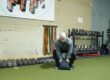
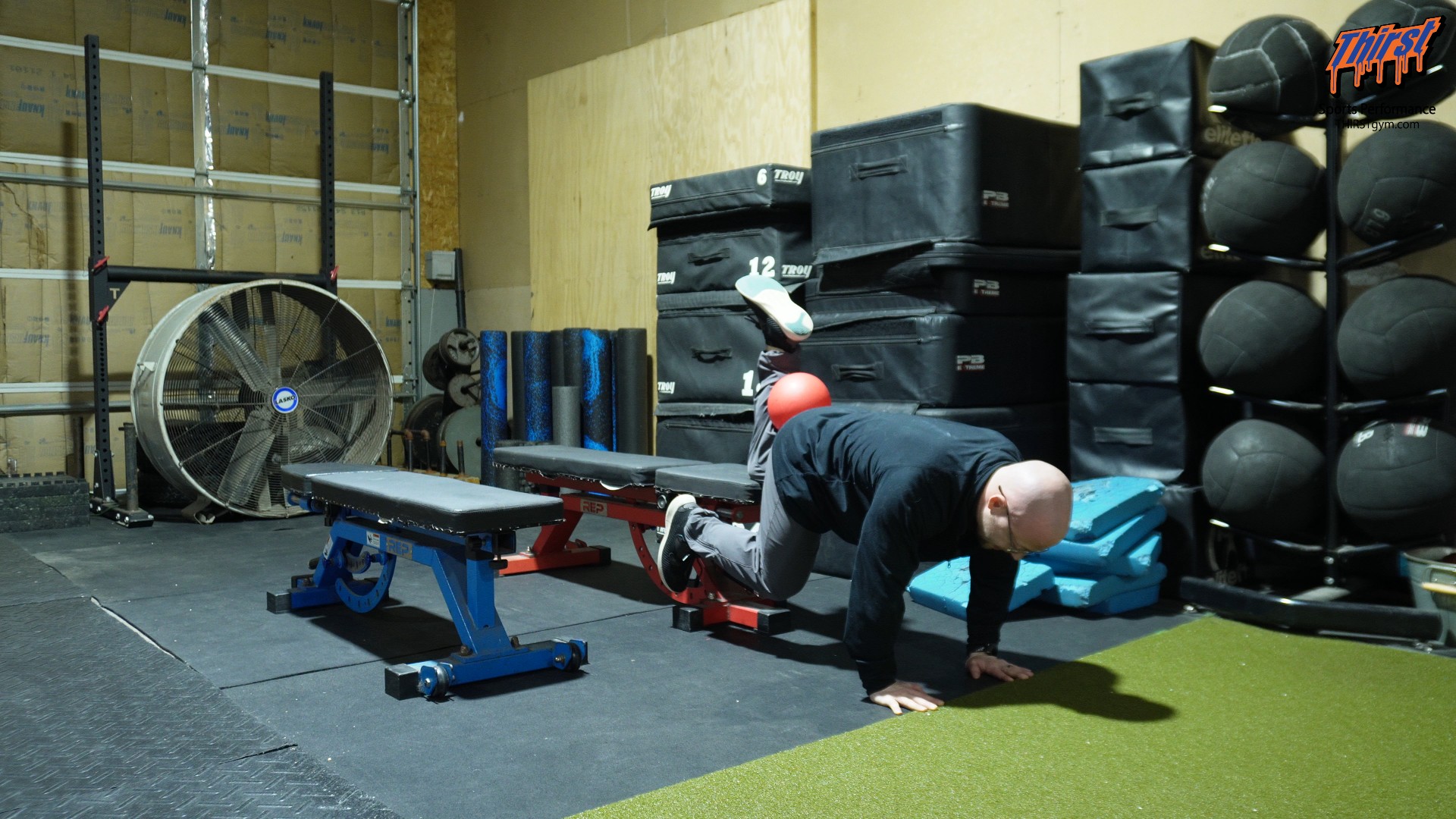
Setup for this exercise is minimal. You need a surface to place your knee on — a utility bench, plyo box between 16 and 20 inches, or even a couch at home will work fine. You also need a small object to place behind your knee to create a leg curl position: a small ball, foam roller, or yoga block are all excellent choices. A pillow works in a pinch if you’re training at home. That’s it.
Understanding the Hip Flexor-Hamstring Relationship
Before diving into the execution, it helps to understand why this exercise is structured the way it is. The hip flexors and hamstrings have a direct functional relationship through the pelvis. When the hamstrings contract and strengthen, they posteriorly tilt the pelvis — pulling it back and underneath the body. Conversely, hip flexors that become excessively tight or dominant can drive the pelvis into an anterior tilt, contributing to the kind of extension pattern that creates problems in the lower back, hips, and throughout the kinetic chain.
This exercise leverages that relationship deliberately. Contracting the hamstring against the ball encourages a posterior pelvic tilt, pulling the pelvis into better alignment. Simultaneously, the hip flexor plank position loads the hip flexor into a lengthened position while demanding isometric strength — not just passively stretching it, but strengthening it in that range. The result is a pelvis that is better stabilized from both directions, along with all the trunk benefits that come from the plank position itself, including deep abdominal integration and serratus anterior engagement through the long arm reach.
How to Perform the Exercise
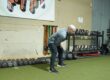
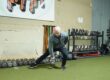
Start by placing your small ball or object behind the knee of your working leg, positioning it so you can actively squeeze it — essentially creating a leg curl position. Place that same knee on your bench or box. From there, get into a plank position with your hands down as you would in a standard push-up. Your free leg comes up to approximately 90 degrees of hip flexion, as if you are mid-stride in a running position.
From here, actively squeeze the ball at roughly a five or six out of ten effort — firm and intentional, not a max contraction. Reach long through your arms, pressing into the ground to engage the serratus. Now breathe: inhale through the nose, exhale through the mouth, and with each exhale, allow yourself to sink deeper into the hip flexor stretch while maintaining that hamstring squeeze. Each breath cycle deepens the effect. Perform five to six breaths per side, giving additional attention to the side that feels tighter or more restricted. For many people, that will be the left hip.
When you come out of the position, expect to feel the hamstrings wanting to cramp slightly — that’s a sign they were genuinely working. The hip flexor should feel opened up and more mobile, and the hip capsule will likely feel noticeably better overall.
Programming Recommendations
This exercise is best used as a preparatory or warm-up movement before primary strength training. Running through it before squatting or deadlifting does an excellent job of activating the hips, getting the hamstrings switched on, and ensuring the pelvis is in the right position to move well under load. It is equally effective as a warm-up before running, jumping, or any athletic-based activity.
On off days or recovery days, it fits naturally into a brief mobility circuit where the goal is to maintain and improve hip function without accumulating significant fatigue. It also works well as a filler exercise between heavy sets of squats or deadlifts, keeping the hips primed and mobile between efforts rather than letting them stiffen during rest periods.
Regardless of how you program it, the single leg hip flexor plank with hamstring feedback consistently delivers on improving hip mobility, strengthening the hip flexors and hamstrings in a coordinated pattern, and helping athletes and lifters feel better moving through fundamental movement patterns.