
Sidelying Kettlebell Windmill: Complete Guide to This Thoracic Mobility Exercise
The sidelying kettlebell windmill represents an exceptional mobility drill that addresses one of the most common limitations among strength athletes and desk workers alike: restricted thoracic spine rotation and shoulder mobility. Unlike traditional standing windmill variations, this ground-based kettlebell exercise provides additional stability and control, making it accessible for those just beginning their mobility journey while still offering significant benefits to experienced athletes seeking improved rotational capacity and upper body recovery work.
This kettlebell mobility exercise works particularly well for powerlifters, bench press specialists, overhead pressing enthusiasts, and rotational athletes who need to maintain optimal thoracic spine function for both performance and injury prevention. The weighted component of the movement creates controlled traction that helps guide your body through ranges of motion that might otherwise feel difficult to access, making this one of the more effective thoracic mobility exercises available with minimal equipment.
Watch the video below on how to maximize this exercise.
Equipment Setup and Space Requirements
The beauty of the sidelying kettlebell windmill lies in its simplicity. You’ll need approximately six feet of clear floor space and a light to moderate kettlebell. For most individuals, a kettlebell in the 10-20 pound range provides sufficient resistance to facilitate the movement without overwhelming your ability to control the rotation. Beginning with lighter weights allows you to focus on movement quality and gradually expanding your range of motion, which should always take precedence over loading when working mobility drills.
The kettlebell itself serves dual purposes in this exercise. First, it provides the weighted resistance that creates beneficial traction through your shoulder girdle and thoracic spine. Second, the bell portion acts as a visual and kinesthetic guide, giving you something concrete to follow as you rotate, which helps many people achieve better movement quality than they would with unweighted rotations.
Step-by-Step Technique Breakdown
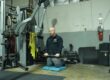
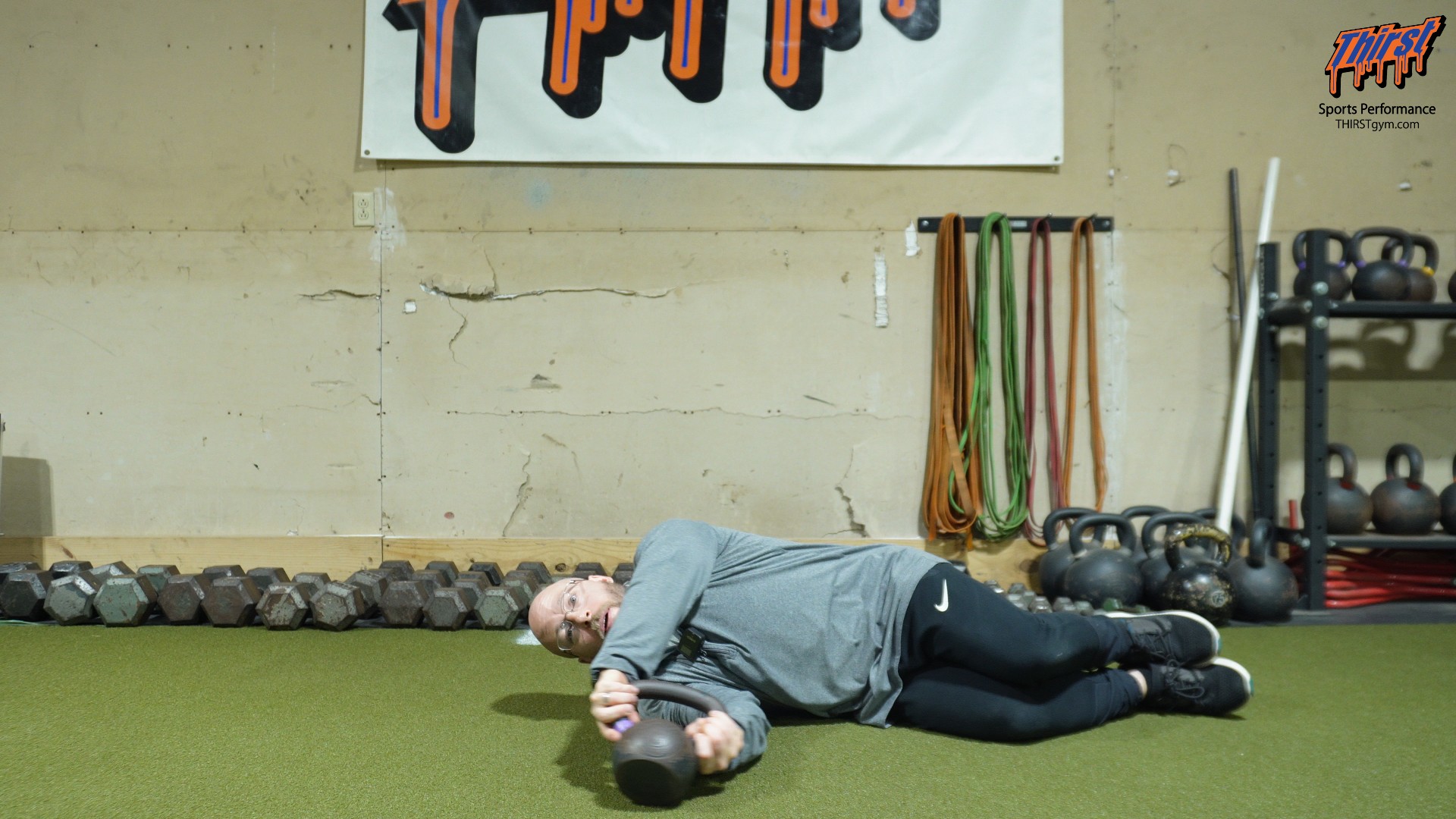
Begin by positioning yourself on your side with your knees bent to approximately 90 degrees at both the hip and knee joints. This starting position creates a stable base from which your upper body can rotate without compensatory movement from your lower body. Your bottom arm can rest on the ground for additional stability, while your top hand grasps the kettlebell by both horns.
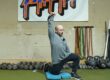
The movement itself mirrors the pattern of a traditional standing windmill, but you’re performing it from a horizontal position. Starting with the kettlebell held by both horns in front of your chest, initiate the movement by reaching the kettlebell forward and then sweeping it in a large arc around your body. The bell portion of the kettlebell should travel along the floor as you rotate, creating a smooth semicircular path from in front of your body to behind you.
As you execute this rotation, your eyes and head should follow the kettlebell throughout its entire path. This head and eye tracking serves an important neurological function, helping to coordinate the movement and potentially allowing for greater range of motion. The goal is to bring your top shoulder and upper back toward the ground behind you while maintaining contact between your knees and the floor. This creates the beneficial stretch through your thoracic spine and anterior shoulder that makes the exercise so valuable.
The return phase simply reverses this pattern, bringing the kettlebell back around to the starting position in front of your chest. Each complete rotation should feel smooth and controlled, with the weight of the kettlebell assisting rather than forcing the movement.
Biomechanical Benefits and Target Areas
The sidelying kettlebell windmill primarily addresses thoracic spine rotation, which refers to your mid-back’s ability to twist and rotate. This motion is crucial for numerous athletic activities and daily life movements, yet it’s commonly restricted due to prolonged sitting, upper body training imbalances, or simply lack of regular movement through these ranges. When your thoracic spine can’t rotate adequately, your body often compensates by creating excessive motion at your lumbar spine or shoulder joints, potentially leading to dysfunction or injury over time.
Simultaneously, this kettlebell exercise opens up your shoulder capsule, particularly the anterior structures that can become tight from pressing movements and forward-leaning postures. The combination of shoulder horizontal abduction and external rotation that occurs during the movement helps counterbalance the internal rotation bias created by bench pressing, push-ups, and computer work.
The weighted resistance component proves particularly valuable because it provides gentle traction that helps guide you deeper into these ranges safely. Unlike aggressive stretching that might trigger protective muscle guarding, the controlled weight creates what movement specialists call “loaded stretching,” which often allows people to access greater mobility than passive stretching alone.
Programming Applications and Implementation Strategies
The versatility of the sidelying kettlebell windmill makes it suitable for multiple programming applications depending on your training goals and current needs. As a warm-up exercise before pressing movements, performing five to ten repetitions per side helps prepare your thoracic spine and shoulders for the demands of bench pressing or overhead pressing. This pre-activation of rotational mobility can improve your positioning during these lifts and potentially reduce injury risk.
Many strength athletes effectively use this exercise as a filler during their primary training sessions. Between sets of bench press or overhead press, performing a set of kettlebell windmills on each side serves as active recovery while simultaneously addressing mobility restrictions that might be limiting your pressing performance. This approach maximizes training efficiency by using rest periods productively rather than passively.
For dedicated mobility and recovery days, the sidelying kettlebell windmill integrates beautifully into circuits focused on upper body restoration. Pairing it with other kettlebell-based movements or thoracic mobility drills creates comprehensive sessions that help maintain or improve your movement capacity without the fatigue of heavy training.
Rotational athletes—including combat sports competitors, baseball players, tennis players, and golfers—benefit particularly from regular implementation of this exercise. The movement pattern directly translates to the thoracic rotation demands of their sports while providing a controlled environment to expand rotational capacity safely.
Coaching Cues and Common Mistakes
The most common limitation people encounter with this exercise involves the lower body wanting to rotate along with the upper body. While perfect stillness of your knees isn’t always achievable depending on your current mobility levels, the goal remains keeping your knees together and anchored to the ground as much as possible. This ensures the rotation comes from your thoracic spine rather than simply rolling your entire body, which wouldn’t provide the targeted mobility benefits.
Focus on making each arc progressively larger as you continue through your repetitions. Rather than rushing through the movement, emphasize smooth, controlled rotation with complete range of motion. The quality of each repetition matters far more than the quantity, particularly with mobility-focused exercises where the entire purpose is exploring and expanding your movement capabilities.
Your breathing pattern also contributes significantly to the effectiveness of this kettlebell mobility exercise. Exhaling during the rotational phase often allows for greater range of motion by reducing intra-abdominal pressure and promoting relaxation of the tissues you’re trying to stretch.
Progressions and Practical Considerations
For individuals finding even the light kettlebell version challenging, beginning with the unweighted sidelying windmill pattern establishes the movement competency before adding external resistance. Once you can perform smooth, controlled rotations through a full range without weight, introducing the kettlebell typically enhances rather than hinders the movement.
As your mobility improves, gradually increasing the weight of the kettlebell continues providing progressive challenge, though most people find that staying in the light to moderate range best serves the mobility-focused nature of this exercise. The goal isn’t maximal loading but rather using enough weight to facilitate better movement quality.
The sidelying kettlebell windmill represents a highly effective thoracic spine and shoulder mobility exercise that fits seamlessly into multiple training contexts. Whether you’re a powerlifter looking to improve your pressing mechanics, a rotational athlete seeking better performance capacity, or simply someone working to counteract the effects of modern sedentary lifestyles, this kettlebell variation offers accessible and practical mobility development. Start with five to ten deliberate repetitions per side, focus on progressive range of motion rather than speed, and you’ll likely discover the same opening and restoration that makes this exercise a valuable addition to comprehensive training programs.