
Band Assisted Split Squat Jumps: Build Explosive Single-Leg Power
If you’re looking to develop unilateral explosive power, the band assisted split squat jump deserves a place in your training program. This exercise bridges the gap between traditional plyometric training and assisted jumping, making it an excellent tool for athletes who need to develop single-leg power, rate of force development, or reactive strength — without the limitations that bodyweight alone sometimes imposes.
Watch the video below on how to maximize this exercise.
What You Need to Get Started
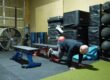
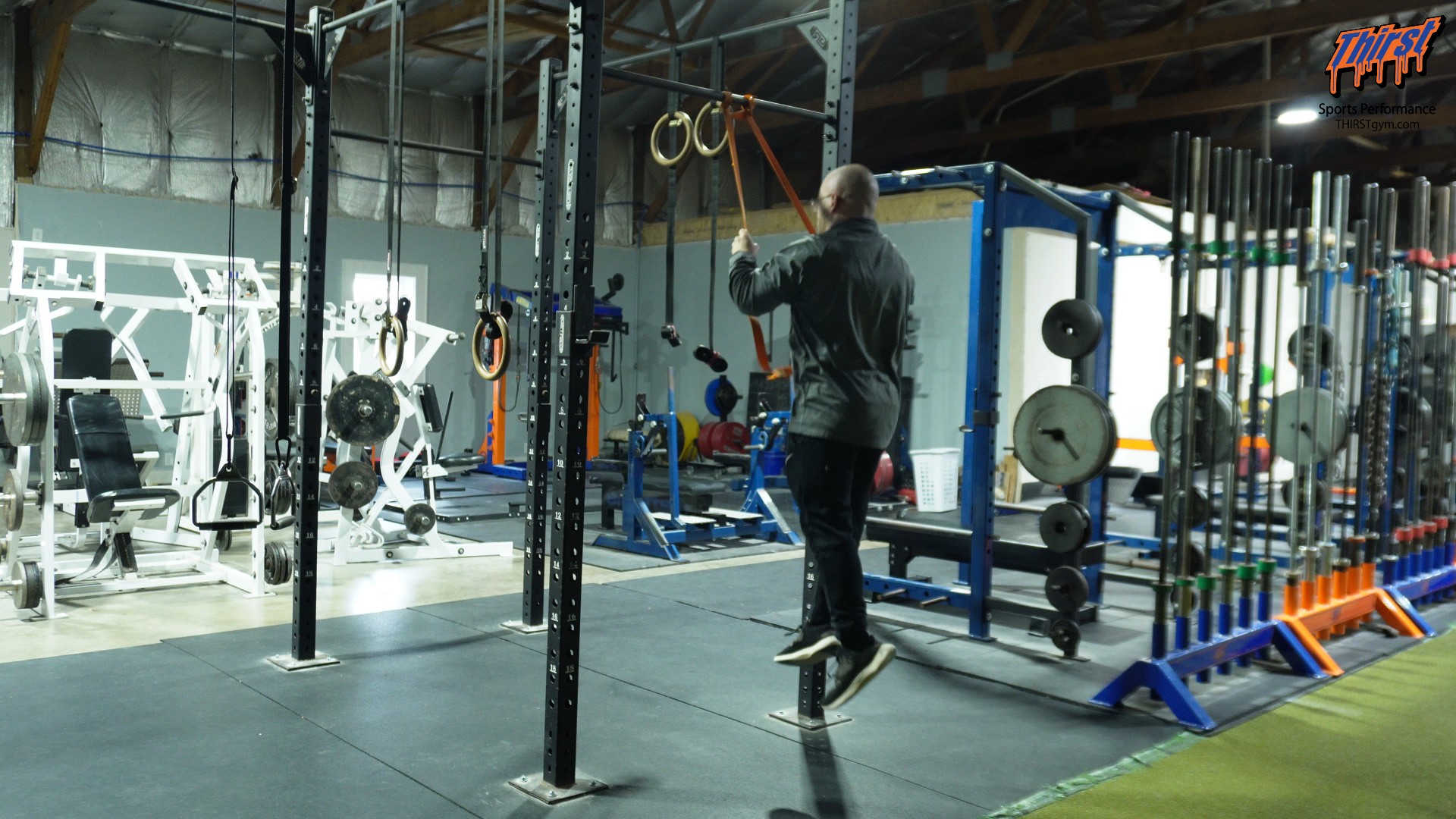
The setup for this exercise is straightforward. You’ll need a strong elastic resistance band and access to a pull-up or chin-up bar — something sturdy enough to anchor the band securely at height. Loop the band over the bar by threading it through itself and pulling it snug. From there, you have two options for how you position yourself within the band: you can hold it with your hands by gripping high on the band, or you can slip it over your torso and swim through it so it sits across your body. Both methods deliver the same assistance and the same training effect, so choose based on what feels most comfortable and controlled for your setup.
How to Execute the Movement
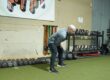
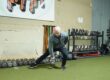
Once you’re set up, position yourself in a split squat or lunge base stance. From there, drive as explosively as possible, using the band’s upward pull to assist you in getting as much height as you can out of each rep. The band isn’t doing the work for you — it’s reducing the load enough that you can express maximum intent and velocity through each repetition, which is exactly the stimulus you’re after in power training.
The key coaching cue here is intent. Every rep should be performed with as much aggression and speed as you can generate. The moment you’re going through the motions, you’ve lost the training benefit.
Two Distinct Training Applications
One of the most valuable aspects of the band assisted split squat jump is its flexibility across different power qualities, and that comes down to how you manage your ground contact time.
The first application is reactive power training. As soon as you land from each jump, you immediately reload and go again without pausing. This rapid stretch-shortening cycle challenges your ability to absorb force and immediately redirect it, which is highly transferable to sport situations that require quick, repeated ground contacts — cutting, bounding, or any movement where you need to produce power in rapid succession.
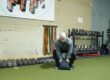
The second application targets rate of force development from a dead stop. After landing, you come to a complete pause, reset your position, and then drive out of a static split squat into your next jump. This dead stop variation removes the elastic energy stored during landing and forces your muscles to generate power from scratch — a quality that’s particularly valuable for athletes who need to produce a single, maximal effort off one leg, such as in takedowns, blocking, or initial acceleration.
Both methods belong in a complete power development program. Cycling between them, or choosing one based on your sport’s specific demands, will help you build a more well-rounded explosive athlete.
Programming Recommendations
Because this is a power-based exercise, high-repetition sets work against your goals. Volume should be kept low and quality should remain the priority. Three to five reps per side is the recommended range, performed with maximal intent on every single repetition. If the quality of your jump is declining, the set is over. Performing these when you’re fresh — early in a training session before significant fatigue accumulates — will allow you to express the highest output and get the most out of the exercise.
This movement fits well within a dynamic effort lower body session, a plyometric block, or as part of a potentiation sequence before heavier lower body work. It’s also a practical tool in athletic performance programs for wrestling, combat sports, or any field sport where unilateral power and explosiveness are premium qualities.
The band assisted split squat jump is one of those exercises that gives you a lot of return on a simple investment of equipment and setup time. If you have a band and a pull-up bar, you have everything you need to start building serious single-leg power.