
TRX Inverted Row with Hamstring Curl: A Bodyweight Hamstring Exercise Worth Adding to Your Arsenal
If you’re training with minimal equipment or simply looking for a more effective alternative to the stability ball leg curl, the TRX inverted row with hamstring curl deserves a spot in your accessory work rotation. This bodyweight hamstring exercise combines the suspended position of an inverted row hold with an active hamstring curl, delivering a quality training stimulus that rivals what you’d get from a dedicated machine — without needing one.
Watch the video below on how to maximize this exercise.
Equipment You’ll Need
To perform this exercise, you’ll need a suspension-based system such as a TRX strap, blast straps, or gymnastics rings. A barbell in a rack can work as a substitute if that’s all you have available. You’ll also need a plyo box or utility bench to elevate your feet, with a height between 12 and 18 inches being the sweet spot. Too tall and the setup becomes cumbersome; too low and you won’t generate the leverage needed to feel the exercise properly.
How to Set Up
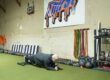
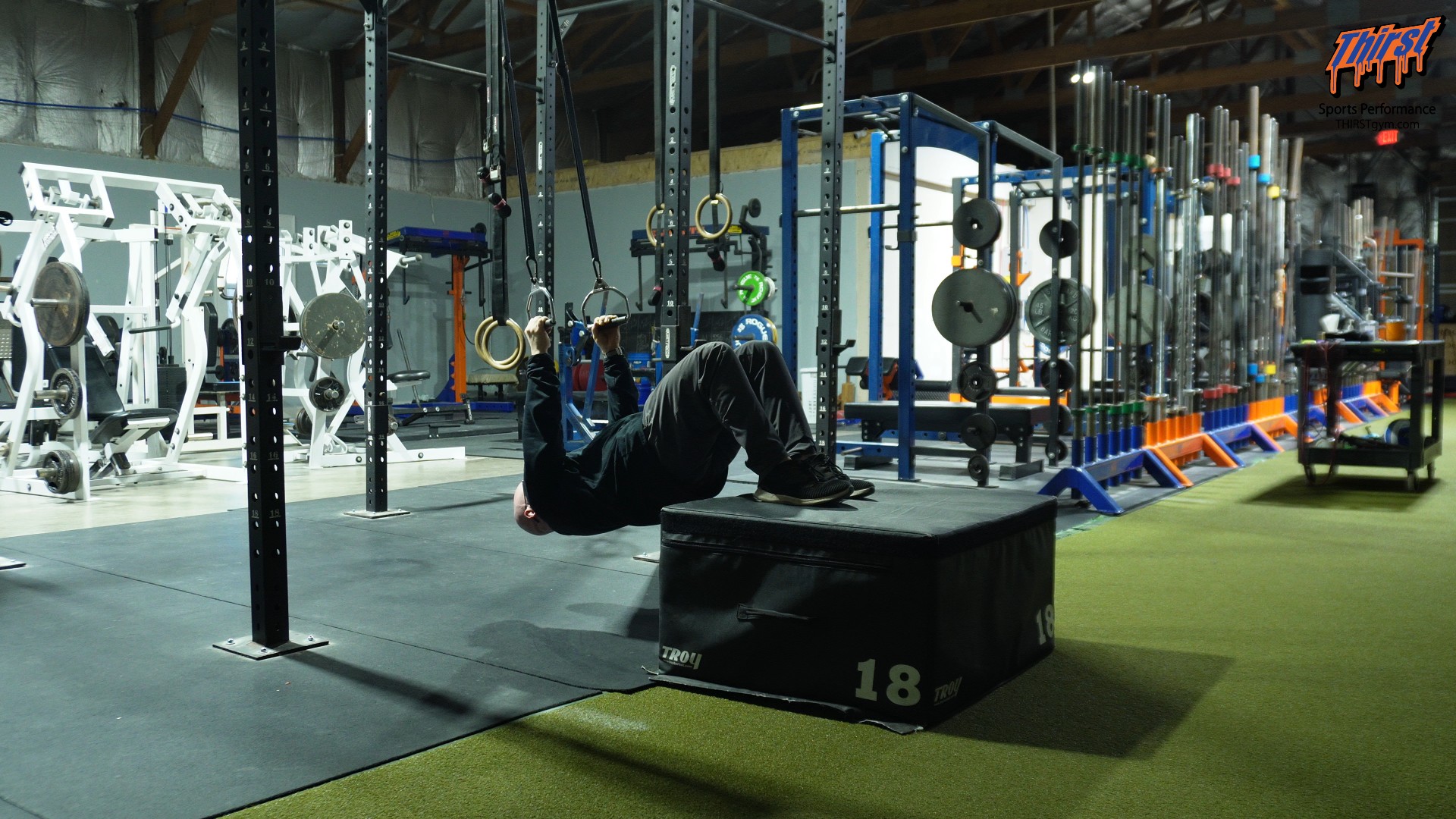
Position yourself directly underneath your straps or bar so that when you lie back, you’re aligned for a standard inverted row grip. Place your heels on the edge of the box with just your foot — or slightly more — making contact. From here, you should be in an inverted plank position with your body forming a relatively straight line from head to hips, with a slight decline being perfectly acceptable. Before you begin moving, actively engage your glutes and hamstrings to keep your hips extended and your body rigid. That hip position is non-negotiable throughout the entire set.
How to Perform the Movement
With your hips driven forward and your body held in that inverted plank position, dig your heels into the box and drive your knees upward toward the ceiling, performing a hamstring curl. Control the descent back to the starting position and repeat. Notice that you are not actually rowing at all — the upper body remains stationary in the hold while the legs do all the work. The goal is to actively shoot the knees forward and upward on each rep while maintaining that extended hip position throughout.
Why This Exercise Works
What separates this variation from a standard machine leg curl or stability ball curl is the hip position during the movement. Because your hips remain extended and driven forward, your hamstrings are being trained across both their primary functions: knee flexion and hip extension. This puts the hamstring in a lengthened, stretched position at the start of the curl and forces it to work through a greater functional range, producing a more effective contraction than you’d typically get lying face-down on a machine. Training the hamstring in this manner — with the hips extended — more closely mimics the demands placed on the muscle during athletic movement, making this a highly transferable accessory exercise for athletes and general fitness enthusiasts alike.
Compared to the stability ball leg curl, this variation removes the unpredictable surface from the equation entirely. Without the need to stabilize on a rolling ball, you can focus all of your effort on the hamstring contraction itself rather than managing balance, which often results in a cleaner, more direct training stimulus.
Programming Recommendations
This exercise is best treated as an accessory movement rather than a primary strength lift. Aim for two to three sets performed for as many controlled reps as possible, prioritizing quality contraction over rep count. The most important technical cue to maintain throughout every set is hip position — the moment your hips begin to drop or sag, you lose tension on the hamstrings and the exercise loses its effectiveness. A deliberate squeeze of the glutes during the movement can help reinforce that extended hip position and keep the stimulus where it belongs.
This is an excellent option for garage gym athletes, those training with limited equipment, or anyone programming hamstring work without access to a leg curl machine or glute ham raise. It fits naturally into lower body accessory blocks, posterior chain circuits, or as a complement to your primary hip hinge movements on pulling days.